

Can TPU adhesive film be used for bonding ceramics?
Jul 18, 2025
Can TPU Adhesive Film Be Used for Bonding Ceramics?
As a supplier of TPU adhesive film, I often encounter various inquiries regarding the applications and capabilities of our products. One question that frequently comes up is whether TPU adhesive film can be used for bonding ceramics. In this blog post, I will delve into this topic, exploring the properties of TPU adhesive film, the characteristics of ceramics, and the feasibility of using TPU adhesive film for ceramic bonding.
Understanding TPU Adhesive Film
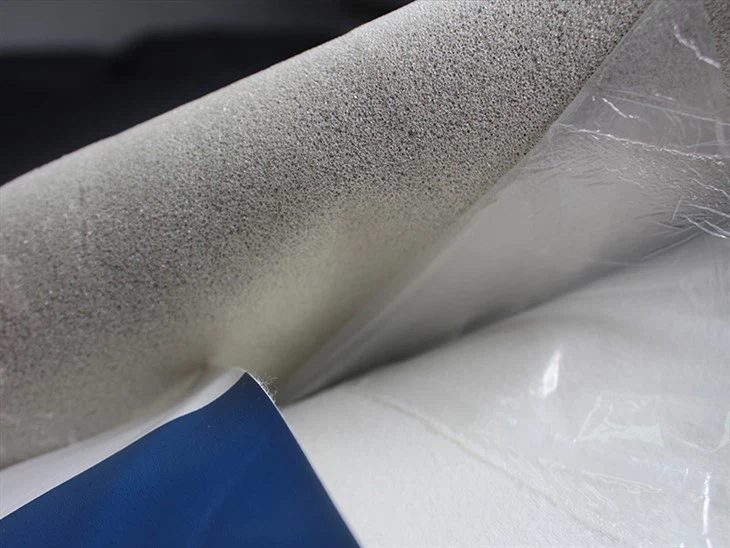
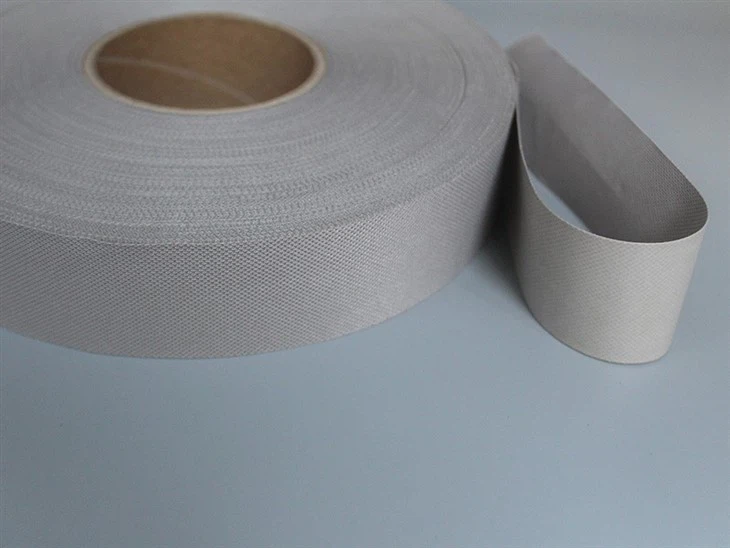
TPU, or thermoplastic polyurethane, is a versatile polymer known for its excellent elasticity, abrasion resistance, and chemical resistance. TPU adhesive film is made by melting TPU resin and then casting or extruding it into a thin film. This film can be activated by heat, allowing it to bond to different materials when pressure is applied.
One of the key advantages of TPU adhesive film is its flexibility. It can conform to irregular surfaces, making it suitable for bonding a wide range of materials with different shapes and textures. Additionally, TPU adhesive film offers good adhesion to various substrates, including plastics, fabrics, and metals. It also has a relatively low melting point, which means it can be activated at lower temperatures compared to some other types of adhesive films, reducing the risk of damage to heat - sensitive materials.
Characteristics of Ceramics
Ceramics are inorganic, non - metallic materials that are typically hard, brittle, and have high melting points. They are known for their excellent thermal stability, chemical resistance, and electrical insulation properties. Ceramics can be classified into different types, such as traditional ceramics (e.g., pottery, bricks) and advanced ceramics (e.g., alumina, zirconia).
The surface of ceramics is usually smooth and chemically inert, which can pose challenges when it comes to bonding. Unlike some other materials, ceramics do not have a high concentration of reactive functional groups on their surface, making it difficult for adhesives to form strong chemical bonds. Additionally, the difference in thermal expansion coefficients between ceramics and other materials can lead to stress build - up during temperature changes, potentially causing the bond to fail.
Feasibility of Using TPU Adhesive Film for Bonding Ceramics
The feasibility of using TPU adhesive film for bonding ceramics depends on several factors.
Surface Preparation
Proper surface preparation is crucial for achieving a strong bond between TPU adhesive film and ceramics. The ceramic surface should be clean, free of dust, grease, and other contaminants. This can be achieved through methods such as ultrasonic cleaning, sandblasting, or chemical etching. Sandblasting can roughen the surface of the ceramic, increasing the surface area available for adhesion and improving mechanical interlocking between the adhesive and the ceramic. Chemical etching can introduce reactive functional groups on the ceramic surface, enhancing chemical bonding with the TPU adhesive film.
Adhesion Mechanisms
There are two main adhesion mechanisms involved in bonding TPU adhesive film to ceramics: mechanical interlocking and chemical bonding. Mechanical interlocking occurs when the molten TPU adhesive film flows into the microscopic irregularities on the ceramic surface and solidifies, creating a physical bond. Chemical bonding, on the other hand, involves the formation of chemical bonds between the functional groups in the TPU adhesive film and the ceramic surface. While ceramics are relatively inert, some surface treatments can make them more receptive to chemical bonding.
Temperature and Pressure
The bonding process requires precise control of temperature and pressure. The TPU adhesive film needs to be heated to its activation temperature, which is typically in the range of 100 - 150°C for most TPU films. At this temperature, the film becomes viscous and can flow to wet the ceramic surface. Applying pressure during the bonding process helps to ensure good contact between the adhesive film and the ceramic, promoting better adhesion. However, excessive pressure can cause the brittle ceramic to crack, so it is important to find the right balance.
Environmental Considerations
The performance of the bond between TPU adhesive film and ceramics can be affected by environmental factors such as temperature, humidity, and chemical exposure. TPU adhesive film generally has good resistance to moisture and chemicals, but extreme conditions can still have an impact. For example, high humidity can cause the TPU to absorb water, which may reduce its adhesion strength over time. In applications where the bonded ceramics are exposed to high temperatures or harsh chemicals, it is important to choose a TPU adhesive film with appropriate heat and chemical resistance properties.
Applications of TPU - Bonded Ceramics
If a strong bond can be achieved between TPU adhesive film and ceramics, there are several potential applications.
In the electronics industry, ceramics are often used as substrates for electronic components due to their electrical insulation properties. TPU - bonded ceramics could be used to attach these components to other parts of the device, providing a flexible and reliable bonding solution.
In the automotive industry, ceramics are used in various applications, such as catalytic converters and sensors. Hot Melt Adhesive Tape For Automotive Industry that incorporates TPU adhesive film could be used to bond ceramic parts to the vehicle's structure, providing vibration damping and shock absorption while maintaining a strong bond.
In the consumer goods sector, ceramics are used in products like watches and jewelry. TPU adhesive film could be used to bond ceramic components to other materials, such as metal cases or leather straps. For example, Leather Hot Melt Adhesive Film could be used in combination with TPU adhesive film to create a seamless bond between ceramic and leather parts in a watch strap.
Conclusion
In conclusion, while bonding ceramics with TPU adhesive film presents some challenges due to the inert surface and brittleness of ceramics, it is indeed possible with proper surface preparation, control of bonding parameters, and consideration of environmental factors. The unique properties of TPU adhesive film, such as its flexibility and relatively low activation temperature, make it an attractive option for bonding ceramics in certain applications.
If you are interested in exploring the use of TPU adhesive film for bonding ceramics or other applications, we are here to help. Our team of experts can provide you with technical support and guidance on choosing the right TPU adhesive film for your specific needs. We also offer a range of other adhesive products, such as Hot Melt Adhesive Sheets For Laminating The Carpet, which can be used in various industries. Please feel free to contact us for more information and to start a procurement discussion.
References
- Callister, W. D., & Rethwisch, D. G. (2011). Materials Science and Engineering: An Introduction. Wiley.
- Kinloch, A. J. (1987). Adhesion and Adhesives: Science and Technology. Chapman and Hall.
- Mittal, K. L. (Ed.). (1996). Adhesion Science and Engineering: Surfaces, Chemistry, and Applications. VSP.