

Can TPU adhesive film be used in electronic devices?
Dec 11, 2025
As a reliable supplier of TPU adhesive film, I am often asked whether TPU adhesive film can be used in electronic devices. In this blog post, I will delve into the properties of TPU adhesive film, explore its potential applications in electronic devices, and highlight its advantages and limitations.
Understanding TPU Adhesive Film
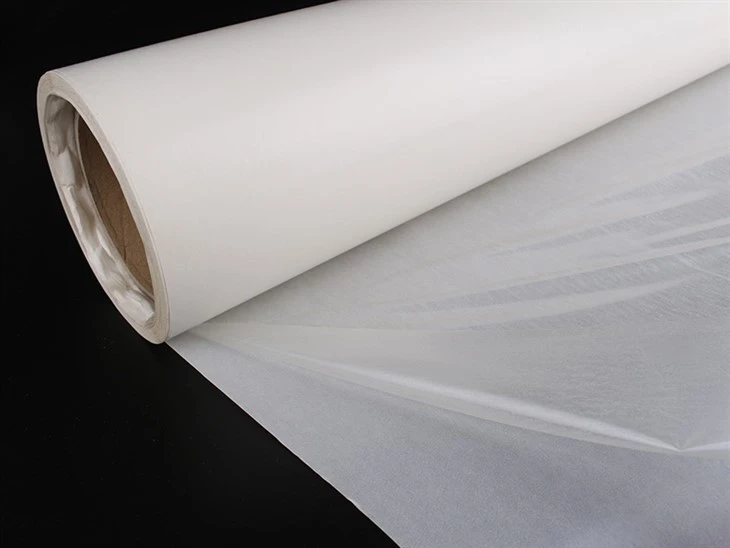
TPU, or thermoplastic polyurethane, is a versatile polymer known for its excellent elasticity, abrasion resistance, and chemical resistance. When turned into an adhesive film, TPU combines these inherent properties with strong adhesion capabilities. TPU adhesive film is a type of hot - melt adhesive film that softens when heated and solidifies upon cooling, creating a strong bond between two substrates.
The manufacturing process of TPU adhesive film involves melting TPU resin and then extruding it into a thin film. The thickness of the film can be precisely controlled according to different application requirements, usually ranging from a few micrometers to several millimeters.
Properties of TPU Adhesive Film Relevant to Electronic Devices
-
Electrical Insulation: One of the most crucial requirements for materials used in electronic devices is electrical insulation. TPU adhesive film has good electrical insulation properties, which can prevent short - circuits and ensure the safe operation of electronic components. This property makes it suitable for applications where electrical isolation is needed, such as bonding circuit boards and insulating layers.
-
Flexibility: Electronic devices, especially wearable devices and flexible displays, are increasingly demanding flexible materials. TPU adhesive film is highly flexible and can conform to different shapes and curvatures. It can withstand repeated bending and stretching without losing its adhesion, making it an ideal choice for bonding flexible electronic components.
-
Thermal Resistance: Electronic devices often generate heat during operation. TPU adhesive film has a certain degree of thermal resistance, which allows it to maintain its adhesive strength and physical properties within a certain temperature range. However, it is important to note that the thermal performance of TPU adhesive film can vary depending on its formulation, so it is necessary to select the appropriate film according to the specific operating temperature of the electronic device.

-
Chemical Resistance: Electronic devices may be exposed to various chemicals during manufacturing, assembly, or use. TPU adhesive film has good resistance to many common chemicals, such as solvents, oils, and acids. This chemical resistance helps protect the bonded components from corrosion and damage, extending the service life of the electronic device.
Applications of TPU Adhesive Film in Electronic Devices
-
Bonding of Display Components: In smartphones, tablets, and other display - based devices, TPU adhesive film can be used to bond different layers of the display, such as the touch screen panel and the liquid crystal display (LCD) or organic light - emitting diode (OLED) module. Its flexibility and optical clarity ensure a seamless and durable bond, while its electrical insulation properties prevent interference between the display components.
-
Assembly of Wearable Devices: Wearable devices require materials that are not only flexible but also comfortable to wear. TPU adhesive film can be used to bond various components of wearable devices, such as sensors, batteries, and circuit boards. Its softness and elasticity allow for a better fit and enhance the overall comfort of the device.
-
Sealing and Protection: TPU adhesive film can also be used as a sealing material in electronic devices to prevent the entry of dust, moisture, and other contaminants. By creating a tight seal around sensitive components, it helps improve the reliability and durability of the device.
Advantages of Using TPU Adhesive Film in Electronic Devices
-
Ease of Processing: TPU adhesive film is easy to process compared to other types of adhesives. It can be cut into different shapes and sizes, and the bonding process is relatively simple, usually involving heating and pressing. This ease of processing reduces manufacturing time and cost, making it an attractive option for electronic device manufacturers.
-
Environmental Friendliness: TPU is a relatively environmentally friendly material, especially compared to some traditional solvent - based adhesives. It does not contain harmful solvents or volatile organic compounds (VOCs), which helps reduce environmental pollution during the manufacturing and use of electronic devices.
-
Customizability: TPU adhesive film can be customized to meet specific requirements. Different formulations can be developed to achieve different levels of adhesion strength, flexibility, thermal resistance, and other properties. This allows manufacturers to choose the most suitable TPU adhesive film for their specific electronic device applications.
Limitations of TPU Adhesive Film in Electronic Devices
-
High - Temperature Performance: Although TPU adhesive film has a certain degree of thermal resistance, its performance may degrade at very high temperatures. In some high - power electronic devices that generate a large amount of heat, such as high - end gaming laptops or industrial control equipment, additional thermal management measures may be required to ensure the long - term stability of the bond.
-
Cost: Compared to some other common adhesive materials, the cost of TPU adhesive film may be relatively high. This can be a limiting factor for some cost - sensitive electronic device manufacturers, especially for mass - produced products with tight profit margins.
Our Product Offerings
As a professional TPU adhesive film supplier, we offer a wide range of TPU adhesive films suitable for various electronic device applications. Our Polyurethane TPU Hot Melt Adhesive Film is carefully formulated to provide excellent adhesion, flexibility, and electrical insulation properties.
In addition to TPU adhesive film, we also supply other types of high - quality adhesive films, such as EVA Hot Melt Adhesive Film Without Release Paper and Hot Melt Adhesive Film For Embroidery Patch, which may also find applications in the electronic device manufacturing process.
Conclusion
In conclusion, TPU adhesive film can be effectively used in electronic devices due to its unique properties such as electrical insulation, flexibility, thermal resistance, and chemical resistance. It offers several advantages, including ease of processing, environmental friendliness, and customizability. However, it also has some limitations, mainly related to high - temperature performance and cost.
If you are an electronic device manufacturer looking for a reliable adhesive solution, we encourage you to consider our TPU adhesive film products. We are committed to providing high - quality products and excellent customer service. Contact us to discuss your specific requirements and start a procurement negotiation today.
References
- "Handbook of Adhesives and Sealants", Second Edition, edited by Henry S. Katz and Allan W. Miles.
- "Thermoplastic Elastomers: A Comprehensive Review", by Ian J. Hutchinson.
- "Advances in Polyurethane Science and Technology", a series of publications on polyurethane - related research.