

Do different sizes of multi - size hot melt adhesive film have different performance?
Jan 01, 2026
As a supplier of multi - size hot melt adhesive films, I've encountered numerous inquiries from clients regarding whether different sizes of these films exhibit distinct performance characteristics. This question is not only relevant to the practical application of the product but also crucial for clients to make informed decisions when it comes to their specific needs. In this blog, I'll delve into this topic, exploring the potential differences in performance based on the size of the hot melt adhesive film.
Physical Properties and Size
First and foremost, we need to understand the basic physical properties of hot melt adhesive films. Hot melt adhesive films are solid at room temperature and become molten when heated, allowing them to bond various materials together upon cooling. The size of the film, including its width, length, and thickness, can have a significant impact on these physical properties.
Thickness
The thickness of the hot melt adhesive film is one of the most critical factors affecting its performance. A thicker film generally contains more adhesive material, which can result in stronger bonding strength. For example, in applications where a high - load bearing capacity is required, such as in industrial manufacturing or heavy - duty product assembly, a thicker hot melt adhesive film may be preferred. On the contrary, a thinner film is more suitable for applications that require a more delicate touch, such as in the bonding of electronic components or thin fabrics. A thinner film also cools down more quickly, which can increase the production speed in some manufacturing processes.
Width and Length
The width and length of the hot melt adhesive film can affect its handling and application. A wider film can cover a larger area in a single application, which is more efficient for large - scale bonding projects. For instance, when bonding wall cloth, a wider Hot Melt Adhesive Film for Wall Cloth can save time and labor, as it reduces the number of seams and overlaps. However, a wider film may also be more difficult to handle and require specialized equipment for application.

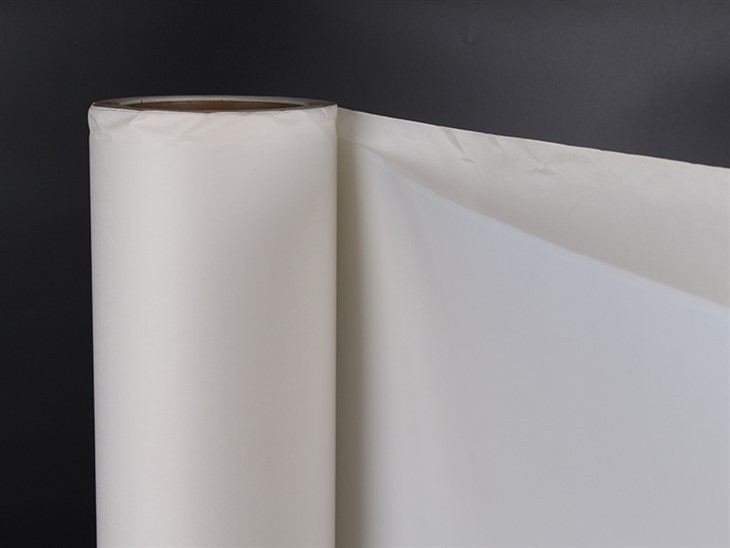
In terms of length, a longer roll of the hot melt adhesive film can reduce the frequency of roll changes during production, which is beneficial for continuous production processes. But it also means that more adhesive is stored on the roll, which may pose challenges in terms of storage space and inventory management.
Adhesive Performance and Size
The adhesive performance of hot melt adhesive films is typically evaluated by factors such as bonding strength, heat resistance, and chemical resistance. Different sizes of the film can influence these performance indicators.
Bonding Strength
As mentioned earlier, the thickness of the film has a direct impact on bonding strength. Additionally, the size of the film can also affect the distribution of the adhesive during the bonding process. A larger - sized film may require more precise application techniques to ensure uniform adhesive distribution. If the adhesive is not evenly distributed, it can lead to weak spots in the bond, reducing the overall bonding strength.
For example, when using a 28.5cm Width Hot Melt Glue Sheet For Bookbinding, proper alignment and pressure application are essential to achieve a strong bond between the pages and the cover of the book. Any misalignment or uneven pressure can result in a less - than - optimal bond.
Heat Resistance
Heat resistance is another important performance factor, especially in applications where the bonded materials are exposed to high temperatures. The size of the hot melt adhesive film can influence its heat resistance in several ways. A thicker film may have better heat - insulating properties, which can protect the bond from being affected by high temperatures. However, a wider or longer film may have a larger surface area exposed to heat, which can increase the risk of thermal degradation.
Chemical Resistance
Chemical resistance is crucial in environments where the bond is exposed to chemicals such as solvents, acids, or alkalis. The size of the film can affect its chemical resistance because a larger film has a greater surface area in contact with the chemicals. A thicker film may provide better protection against chemical penetration, but a larger - sized film needs to be carefully evaluated to ensure that it can withstand the specific chemical environment.
Application - Specific Performance Differences
The performance of different - sized hot melt adhesive films can also vary depending on the specific application.
Textile Industry
In the textile industry, the size of the hot melt adhesive film can play a significant role. A narrow and thin film may be used for bonding small decorative elements or for hemming delicate fabrics. These films need to be flexible and have a low melting point to avoid damaging the fabric. On the other hand, a wider and thicker film may be used for bonding large - scale textile panels, such as in the production of tents or upholstery. These films require high bonding strength and good durability.
Packaging Industry
In the packaging industry, different sizes of hot melt adhesive films are used for various packaging applications. For example, a small - sized film may be used for sealing small boxes or envelopes, while a large - sized film may be used for palletizing or bundling large items. The performance requirements for these applications vary. Small - sized films need to provide a quick and reliable seal, while large - sized films need to have high - strength bonding to withstand the stress during transportation.
Electronics Industry
In the electronics industry, precision is of utmost importance. A thin and narrow hot melt adhesive film is often used for bonding electronic components because it can provide a precise and clean bond without interfering with the electrical performance of the components. The size of the film needs to be carefully selected to match the size of the components and the bonding area.
Conclusion
In conclusion, different sizes of multi - size hot melt adhesive films do have different performance characteristics. The thickness, width, and length of the film can affect its physical properties, adhesive performance, and suitability for specific applications. As a supplier, we understand that each client has unique requirements, and choosing the right size of hot melt adhesive film is crucial for the success of their projects.
If you are interested in our PVC Sticking Hot Melt Adhesive Film or other hot melt adhesive film products, we welcome you to contact us for further discussion and procurement negotiation. Our team of experts is ready to provide you with professional advice and solutions tailored to your specific needs.
References
- "Handbook of Adhesives and Sealants", Second Edition, edited by Alan T. Dibenedetto.
- "Adhesive Bonding: Science, Technology and Applications", by D. A. Dillard, A. V. Pocius, and M. K. Chaudhury.