

Does eva hot melt adhesive film have good heat resistance?
Apr 02, 2026
Hey there! As a supplier of EVA hot melt adhesive film, I often get asked, "Does EVA hot melt adhesive film have good heat resistance?" Well, let's dive right into this topic.
First off, let's understand what EVA hot melt adhesive film is. EVA stands for ethylene-vinyl acetate, which is a copolymer. It's widely used in various industries because of its versatility. It can bond different materials like fabrics, plastics, and even some metals.
Now, let's talk about heat resistance. Heat resistance is a crucial factor when it comes to adhesive films. If an adhesive can't withstand high temperatures, it might lose its bonding strength, melt, or even cause damage to the materials it's bonding. So, how does EVA hot melt adhesive film fare in this department?
The heat resistance of EVA hot melt adhesive film depends on several factors. One of the main factors is the vinyl acetate (VA) content. Generally, the higher the VA content, the lower the melting point and heat resistance. EVA with a lower VA content usually has better heat resistance. For example, EVA with a VA content of around 18 - 28% has a relatively lower melting point, typically in the range of 70 - 90°C. On the other hand, EVA with a VA content below 18% can withstand higher temperatures, sometimes up to 120°C or even more.
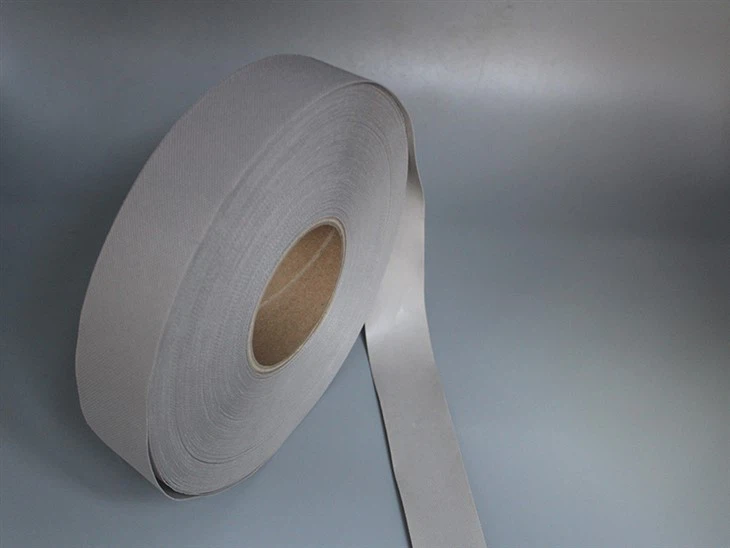
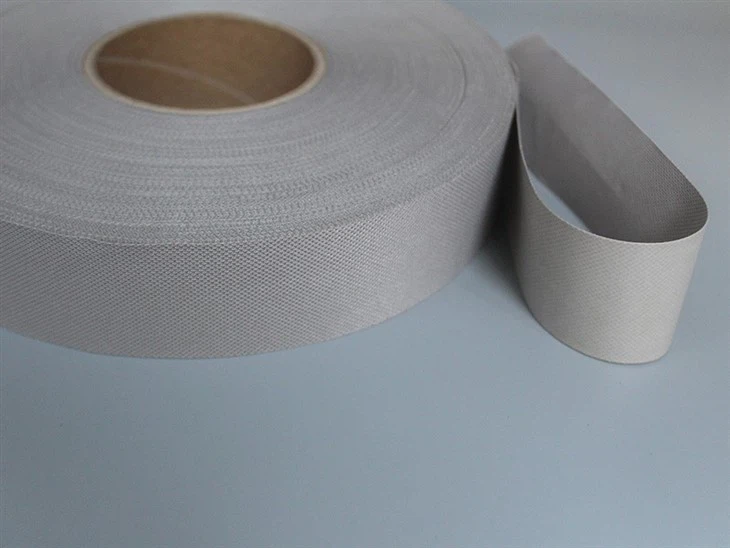
Another factor that affects heat resistance is the additives used in the EVA formulation. Some additives can enhance the heat resistance of the adhesive film. For instance, heat - stabilizers can be added to prevent the EVA from degrading at high temperatures. These stabilizers work by inhibiting chemical reactions that can break down the EVA polymer chains when exposed to heat.
In real - world applications, the heat resistance requirements vary widely. In the textile industry, for example, EVA hot melt adhesive film is often used to bond fabrics. The heat resistance needed here is usually not extremely high. Most fabric - bonding processes occur at temperatures around 80 - 100°C. EVA hot melt adhesive film with a moderate VA content can easily meet these requirements. It can maintain a strong bond between the fabrics even when exposed to the heat during the bonding process and normal wear and tear conditions.
However, in industries like automotive, the heat resistance requirements are much more stringent. The engine compartment of a car can reach very high temperatures, sometimes exceeding 100°C. In such cases, EVA hot melt adhesive film with a high heat - resistance grade is required. If you're looking for a hot melt adhesive tape for the automotive industry, you might want to check out Hot Melt Adhesive Tape For Automotive Industry.
When it comes to laminating fabric, thermoplastic double - sided TPU hot melt adhesive film is also a popular choice, and you can find more about it at Thermoplastic Double Sided TPU Hot Melt Adhesive Film For Laminating Fabric.
In the manufacturing of wear - resistant products, wear resistance hot melt adhesive film is essential. You can explore Wear Resistance Hot Melt Adhesive Film From Jiangyin Weitao for options that might suit your needs.
Now, let's talk about some of the advantages of EVA hot melt adhesive film in terms of heat resistance. One of the great things about EVA is its ability to form a strong bond quickly when heated. This means that during the bonding process, the heat is applied for a short period, reducing the risk of over - heating and damage to the materials. Also, EVA has good flexibility even at relatively high temperatures. This flexibility allows it to adapt to the expansion and contraction of the bonded materials due to temperature changes, maintaining a stable bond.
But it's not all perfect. EVA hot melt adhesive film does have some limitations in terms of heat resistance. Compared to some other high - performance adhesives like silicone - based adhesives, EVA may not be able to withstand extremely high temperatures for long periods. For example, in applications where continuous exposure to temperatures above 150°C is required, EVA might not be the best choice.
So, does EVA hot melt adhesive film have good heat resistance? Well, it depends on your specific requirements. If your application involves relatively low to moderate temperatures, EVA can be an excellent choice. It offers a good balance between heat resistance, bonding strength, and cost. But if you need extremely high - temperature resistance, you might need to consider other options.
If you're in the market for EVA hot melt adhesive film or have any questions about its heat resistance and suitability for your application, don't hesitate to reach out. We're here to help you find the best solution for your needs. Whether you're in the textile, automotive, or any other industry, we can provide you with the right product and technical support.
References:
- "Handbook of Adhesive Technology", Second Edition
- Journal of Adhesion Science and Technology articles on EVA adhesives