

Does TPU film for shoes change the weight of shoes?
Jun 24, 2025
Yo, what's up everyone! I'm a supplier of TPU film for shoes, and today I wanna dig into a question that often pops up: Does TPU film for shoes change the weight of shoes? Let's break it down.
First off, let's get to know what TPU film is. TPU stands for Thermoplastic Polyurethane. It's a super versatile material that's been used in all sorts of industries, including the shoe game. TPU film is known for its flexibility, durability, and water resistance. These are some of the reasons why shoe manufacturers love it.
When it comes to the weight of shoes, there are a bunch of factors at play. The type of materials used, the design of the shoe, and of course, any additional components like TPU film. So, does adding TPU film make the shoes heavier? Well, the short answer is yes, but it's not that simple.
The amount of weight added by TPU film depends on a few things. One of the main factors is the thickness of the film. Thicker TPU films are generally heavier than thinner ones. A thin TPU film might add just a few grams to the overall weight of the shoe, while a thicker one could add a bit more. But even then, we're usually talking about a relatively small increase in weight.
Another factor is the size of the area where the TPU film is applied. If it's only used in a small part of the shoe, like a logo or a small patch for reinforcement, the weight increase will be minimal. However, if it's used over a large surface area, say, to cover the entire upper of the shoe, it will have a more noticeable impact on the weight.
But here's the thing. Just because TPU film adds some weight doesn't necessarily mean it's a bad thing. In fact, the benefits it brings often outweigh the slight increase in weight. For example, the durability of TPU film means that the shoes are likely to last longer. You won't have to replace your shoes as often, which is not only better for your wallet but also for the environment.
Also, the water resistance of TPU film is a huge plus. If you're out in the rain or walking through puddles, your feet will stay dry. This is especially important for shoes used in outdoor activities or for work in wet conditions.
Now, let's talk about how TPU film is applied to shoes. In many cases, it's used in combination with other materials. And this is where adhesives come in. There are different types of adhesives that can be used to bond TPU film to shoes. Two popular options are Powerful Polyolefin Hot Melt Adhesive Film and EVA Based Hot Melt Adhesive. These adhesives are designed to provide a strong bond while also being flexible enough to allow the shoe to bend and move naturally.

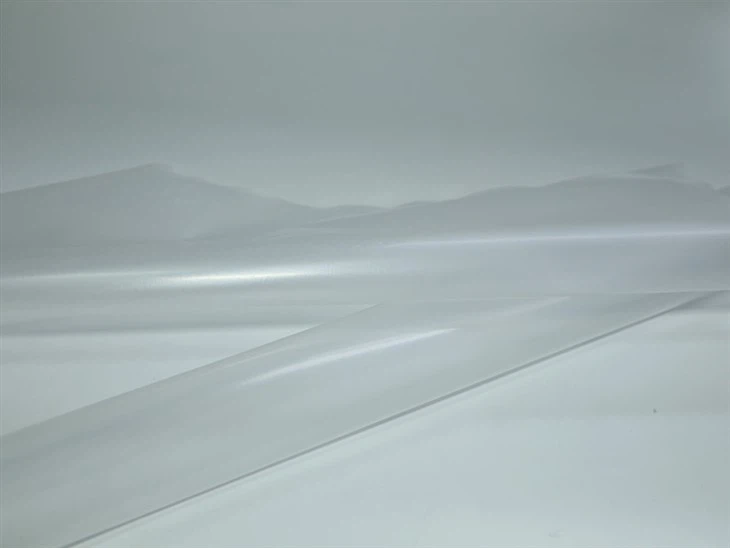
The choice of adhesive can also have a small impact on the weight of the shoe. However, like with the TPU film itself, the weight added by the adhesive is usually quite small. And again, the benefits of using a good adhesive, such as a secure bond and long - lasting performance, make it worth it.
There's also the matter of laminating, which is another process used when applying TPU film to shoes. Hot Melt Adhesive Sheets For Laminating The Carpet can be used in this process. Laminating helps to create a smooth and even surface, which not only looks good but also enhances the performance of the TPU film.
In the shoe industry, weight is always a consideration. Lightweight shoes are often preferred, especially for activities like running or sports where every gram can make a difference. But shoe designers and manufacturers also have to balance weight with other factors such as durability, comfort, and functionality. TPU film offers a great way to achieve this balance.
For example, in high - performance running shoes, a thin layer of TPU film might be used in strategic areas to provide reinforcement without adding too much weight. This way, the shoes can withstand the stress of running while still being light enough for a fast pace.
In work shoes, on the other hand, a thicker TPU film might be used to provide extra protection. The added weight is acceptable because the shoes need to be tough and durable to withstand the rigors of the job.
So, to sum it all up, TPU film does change the weight of shoes, but the increase is usually small and can be managed. The benefits it brings in terms of durability, water resistance, and functionality make it a great choice for shoe manufacturers.
If you're a shoe manufacturer or someone involved in the shoe industry, and you're looking for high - quality TPU film for your shoes, I'd love to have a chat with you. Whether you need a thin film for a lightweight design or a thicker one for more protection, we've got you covered. Contact us to discuss your specific needs and let's work together to create the perfect shoes.
References
- "Materials in Footwear Design and Manufacturing" - A comprehensive guide on materials used in the shoe industry.
- "Advances in Thermoplastic Polyurethane Technology" - Research on the latest developments in TPU materials.