

How to choose the right TPU film for my shoes?
Dec 08, 2025
Selecting the appropriate TPU (Thermoplastic Polyurethane) film for your shoes is a crucial decision that can significantly impact the quality, performance, and overall appeal of your footwear products. As a trusted TPU film for shoes supplier, I understand the complexities involved in this choice. In this blog, I'll guide you through the key factors to consider when choosing the right TPU film for your shoes.
Understanding TPU Film Basics
TPU film is a versatile material known for its excellent elasticity, abrasion resistance, and transparency. It comes in various forms, including clear, colored, and textured options, making it suitable for a wide range of shoe applications. TPU film can be used for shoe uppers, linings, overlays, and even as a bonding agent between different shoe components.
Factors to Consider When Choosing TPU Film for Shoes
1. Physical Properties
- Thickness: The thickness of the TPU film is an important consideration. Thicker films provide more durability and support, making them ideal for heavy - duty shoes such as work boots or hiking shoes. On the other hand, thinner films are more flexible and lightweight, suitable for athletic shoes or fashion footwear.
- Hardness: TPU films come in different hardness levels, typically measured on the Shore A or Shore D scale. Softer films (lower Shore A values) offer greater flexibility and comfort, while harder films (higher Shore A or Shore D values) provide more rigidity and protection. For example, a soft TPU film might be used for shoe linings to enhance comfort, while a harder film could be used for shoe overlays to add structure.
- Elongation at Break: This property refers to the maximum amount a TPU film can stretch before it breaks. A high elongation at break is desirable for shoes, as it allows the film to conform to the movements of the foot without tearing. Athletic shoes, in particular, require TPU films with high elongation at break to withstand the dynamic stresses during sports activities.
2. Chemical Resistance
- Water Resistance: Since shoes are often exposed to water, it's essential to choose a TPU film with good water - resistant properties. A water - resistant TPU film can prevent water from seeping into the shoe, keeping the feet dry and comfortable. This is especially important for outdoor shoes, such as rain boots or waterproof hiking shoes.
- Oil and Chemical Resistance: In some applications, shoes may come into contact with oils, chemicals, or other substances. For example, work shoes in industrial settings may be exposed to lubricants or solvents. A TPU film with good oil and chemical resistance can protect the shoe from damage and ensure its longevity.
3. Adhesion and Bonding
- Compatibility with Shoe Materials: The TPU film needs to bond well with other shoe materials, such as leather, fabric, or synthetic materials. Different TPU films have varying levels of adhesion to different substrates. It's important to test the adhesion of the TPU film to the specific materials used in your shoes to ensure a strong and durable bond.
- Bonding Method: There are several methods for bonding TPU film to shoe components, including heat bonding, ultrasonic welding, and adhesive bonding. Each method has its own advantages and disadvantages, and the choice of bonding method can affect the performance of the TPU film. For example, heat bonding is a common method that provides a strong and permanent bond, but it requires careful control of temperature and pressure.
4. Aesthetic Considerations
- Color and Transparency: TPU films are available in a wide range of colors, from clear to opaque. Clear TPU films can be used to create a sleek and modern look, while colored films can add a pop of color to the shoe design. The choice of color depends on the overall aesthetic of the shoe and the target market.
- Texture: Textured TPU films can add a unique visual and tactile element to the shoe. For example, a textured TPU film can mimic the look of leather or add a grip - enhancing surface to the shoe sole.
5. Cost - Effectiveness
- Price per Unit: The cost of TPU film is an important factor, especially for large - scale shoe production. However, it's important to balance the cost with the quality and performance of the film. Cheaper films may not offer the same level of durability or functionality as more expensive ones, which could lead to higher production costs in the long run due to product failures or returns.
- Production Efficiency: Consider the impact of the TPU film on the production process. Films that are easy to handle, cut, and bond can increase production efficiency and reduce labor costs. For example, a TPU film that can be quickly heat - bonded to shoe components can speed up the assembly process.
Application - Specific Considerations
Athletic Shoes
- Flexibility and Breathability: Athletic shoes require TPU films that are highly flexible to allow for natural foot movement. Additionally, breathability is crucial to keep the feet cool and dry during exercise. Look for TPU films with perforations or moisture - wicking properties.
- Shock Absorption: TPU films can be used in the midsole or insole of athletic shoes to provide shock absorption. Choose a film with good cushioning properties to reduce the impact on the feet during running or jumping.
Fashion Shoes
- Aesthetic Appeal: Fashion shoes place a greater emphasis on appearance. TPU films with unique colors, textures, or patterns can enhance the visual appeal of the shoe. Transparent or iridescent TPU films can create a trendy and eye - catching look.
- Lightweight: To ensure comfort and ease of wear, fashion shoes often require lightweight TPU films. Thinner and more flexible films are typically preferred for this application.
Work Shoes
- Durability and Protection: Work shoes need to withstand harsh conditions and provide protection for the feet. Choose a thick and hard TPU film with excellent abrasion, cut, and chemical resistance. TPU films can be used for toe caps, heel guards, and other protective elements in work shoes.
- Slip Resistance: For work environments where there is a risk of slipping, such as in kitchens or industrial settings, TPU films with good slip - resistant properties can be used on the shoe sole.
Where to Find Suitable TPU Films
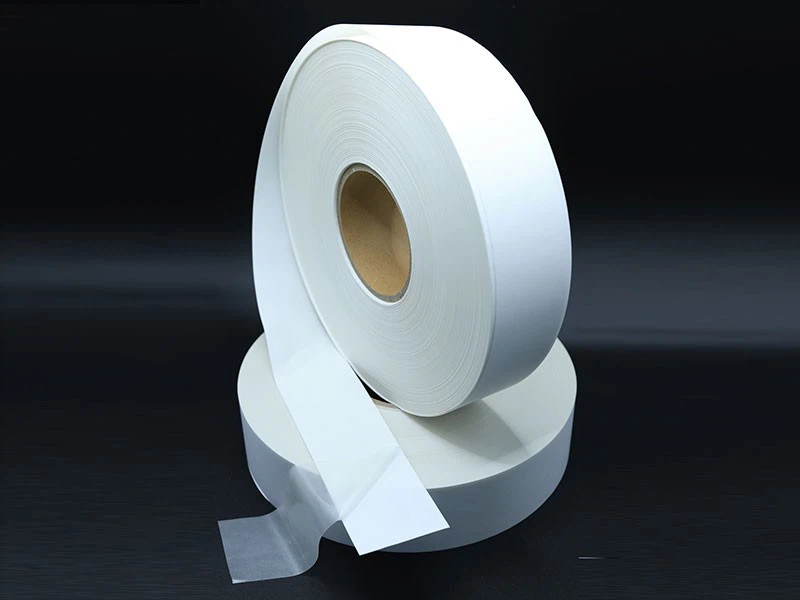
If you're looking for high - quality TPU films for your shoes, we offer a wide range of options. Our TPU films are carefully engineered to meet the diverse needs of the shoe industry. You can learn more about our TPU Film for Efficient Textile Bonding, which is suitable for bonding various shoe materials. We also provide Hot Melt Adhesive Tape For Textile Fabric and Adhesive Tape For Laminating The Polyester Fiber Fabric, which can be used in conjunction with TPU films for a more comprehensive shoe production solution.
Conclusion
Choosing the right TPU film for your shoes is a multi - faceted decision that requires careful consideration of physical properties, chemical resistance, adhesion, aesthetics, and cost - effectiveness. By understanding your specific shoe application and the requirements of your target market, you can select a TPU film that meets your needs and enhances the quality of your footwear products. If you have any questions or need further assistance in choosing the right TPU film for your shoes, feel free to contact us. We are here to help you make the best decision for your shoe production.

References
- "Handbook of Thermoplastic Elastomers" by Brian M. Walker.
- "Polyurethane Handbook" by G. Oertel.