

How to ensure the long - term stability of the bond made by PVC sticking hot melt adhesive film?
Dec 19, 2025
In the realm of industrial manufacturing and material bonding, PVC sticking hot melt adhesive film has emerged as a versatile and reliable solution. As a seasoned supplier of PVC sticking hot melt adhesive film, I've witnessed firsthand the transformative impact this product has on various industries, from automotive interiors to fashion accessories. However, ensuring the long - term stability of the bonds created by this adhesive film is crucial for the durability and performance of the final products. In this blog, I'll share some insights and best practices based on my years of experience in the field.
Understanding the Basics of PVC Sticking Hot Melt Adhesive Film
Before delving into the strategies for ensuring bond stability, it's essential to understand the nature of PVC sticking hot melt adhesive film. This type of adhesive film is composed of a thermoplastic polymer that melts when heated and solidifies upon cooling, creating a strong bond between two surfaces. The film is typically applied using heat and pressure, which activates the adhesive properties and allows it to flow and adhere to the PVC material.
The advantages of using PVC sticking hot melt adhesive film are numerous. It offers excellent adhesion to PVC, is resistant to moisture and chemicals, and provides a clean and aesthetically pleasing bond. Moreover, it can be customized to meet specific application requirements, such as different melting points, viscosities, and bonding strengths.
Factors Affecting Bond Stability
Several factors can influence the long - term stability of the bond made by PVC sticking hot melt adhesive film. Understanding these factors is the first step in ensuring a reliable and durable bond.
Surface Preparation
The surface of the PVC material must be clean, dry, and free from any contaminants such as dust, oil, or grease. Even small amounts of impurities can significantly reduce the adhesion strength of the adhesive film. Before applying the film, it's recommended to clean the PVC surface using a mild solvent or detergent and then dry it thoroughly. Additionally, roughening the surface slightly can increase the surface area for adhesion, enhancing the bond strength.
Temperature and Pressure
The application temperature and pressure play a crucial role in achieving a stable bond. The adhesive film must be heated to its melting point to activate its adhesive properties. However, overheating can cause the film to degrade, while underheating may result in incomplete bonding. Similarly, applying the right amount of pressure during the bonding process is essential. Insufficient pressure can lead to air bubbles or uneven bonding, while excessive pressure can damage the PVC material or the adhesive film.
Compatibility
The compatibility between the PVC material and the adhesive film is another critical factor. Different types of PVC have varying chemical compositions and surface properties, which can affect the adhesion performance of the adhesive film. It's important to choose an adhesive film that is specifically formulated for the type of PVC being used. For example, PVC Leather Hot Melt Adhesive Film is designed to provide excellent adhesion to PVC leather, ensuring a stable and long - lasting bond.
Environmental Conditions
The environmental conditions in which the bonded product will be used can also impact the bond stability. Exposure to high temperatures, humidity, UV radiation, or chemicals can cause the adhesive to degrade over time. Therefore, it's important to consider the end - use environment when selecting an adhesive film. For applications in harsh environments, choosing a film with high resistance to these factors is recommended.
Best Practices for Ensuring Long - Term Bond Stability
Selecting the Right Adhesive Film
As a supplier, I always emphasize the importance of choosing the right adhesive film for the specific application. There are various types of PVC sticking hot melt adhesive films available in the market, each with its own unique properties and characteristics. For example, Semi - Transparent Hot Melt Adhesive Film is ideal for applications where transparency is required, while Adhesive Flannel Fabric Cloth Tape is suitable for bonding flannel fabric to PVC.

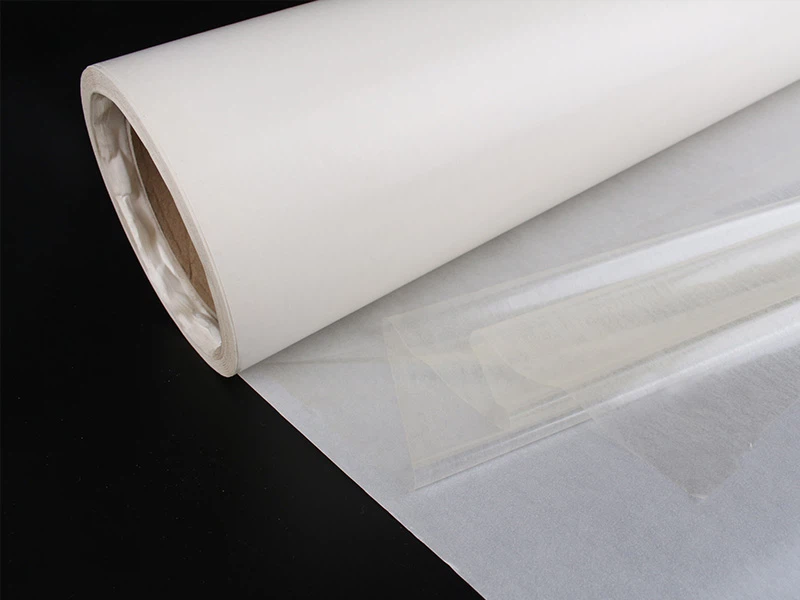
When selecting an adhesive film, consider factors such as the melting point, viscosity, bonding strength, and chemical resistance. It's also advisable to conduct compatibility tests between the adhesive film and the PVC material to ensure optimal performance.
Proper Application Techniques
Proper application techniques are essential for achieving a stable bond. Here are some key steps to follow:
- Pre - heating: Pre - heat the PVC material and the adhesive film to the recommended temperature. This helps to ensure uniform melting and better adhesion.
- Alignment: Align the adhesive film accurately on the PVC surface before applying heat and pressure. This prevents misalignment and ensures a consistent bond.
- Heat and Pressure Application: Apply heat and pressure evenly across the entire bonding area. Use a suitable heating device, such as a heat press or a hot roller, and apply the recommended pressure for the specified time.
- Cooling: Allow the bonded product to cool slowly and naturally. Rapid cooling can cause stress in the bond, leading to reduced stability.
Quality Control
Implementing a rigorous quality control process is crucial for ensuring the long - term stability of the bonds. Conduct regular inspections during the production process to check for any defects or inconsistencies in the bonding. Test the bond strength using appropriate methods, such as peel tests or shear tests, to ensure that it meets the required standards.
Post - Bonding Treatment
In some cases, post - bonding treatment can further enhance the bond stability. For example, applying a protective coating or sealant over the bonded area can provide additional protection against environmental factors. This can help to extend the lifespan of the bond and improve the overall durability of the product.
Case Studies
To illustrate the effectiveness of these strategies, let's look at a few case studies.
Automotive Interior Application
In the automotive industry, PVC sticking hot melt adhesive film is widely used for bonding interior components, such as dashboard covers and door panels. A major automotive manufacturer was experiencing issues with bond failure in their products due to high - temperature exposure. By switching to a high - temperature resistant adhesive film and optimizing the application process, they were able to significantly improve the bond stability. The new adhesive film had a higher melting point and better resistance to heat, ensuring that the bonds remained intact even under extreme conditions.
Fashion Accessories
In the fashion industry, PVC sticking hot melt adhesive film is used for bonding PVC materials in accessories such as handbags and wallets. A fashion brand was facing problems with the peeling of the bonded edges of their products. After conducting a thorough analysis, it was found that the surface preparation was inadequate. By implementing a more rigorous cleaning and roughening process before bonding, and using a high - strength adhesive film, the brand was able to achieve a more stable and long - lasting bond.
Conclusion
Ensuring the long - term stability of the bond made by PVC sticking hot melt adhesive film requires a comprehensive approach that takes into account various factors, including surface preparation, temperature and pressure control, compatibility, and environmental conditions. By selecting the right adhesive film, following proper application techniques, implementing quality control measures, and considering post - bonding treatment, manufacturers can achieve reliable and durable bonds that meet the highest standards.
As a supplier of PVC sticking hot melt adhesive film, I am committed to providing high - quality products and technical support to our customers. If you are interested in learning more about our products or have any questions regarding bond stability, please feel free to contact us for further discussion and potential procurement. We look forward to partnering with you to achieve the best results in your applications.
References
- "Handbook of Adhesive Technology", Second Edition, edited by Andrew Pizzi and K. L. Mittal.
- "Adhesion Science and Engineering", Volume 1: Surfaces, Chemistry and Applications, edited by K. L. Mittal.
- Technical literature provided by adhesive film manufacturers.