

How to improve the adhesion of polypropylene thermoplastic film?
Dec 19, 2025
Alright, so I'm a supplier of polypropylene thermoplastic film, and I often get asked how to improve the adhesion of this stuff. It's a tricky question, but I've got some insights to share based on my experience in the industry.
First off, let's understand why polypropylene can be a bit of a pain when it comes to adhesion. Polypropylene is a non - polar polymer. That means it doesn't have those charged areas on its surface that can easily stick to other materials. Most adhesives work by interacting with polar groups on the surface of the material they're trying to bond to. Since polypropylene lacks these, getting a good bond can be tough.
One of the simplest ways to boost adhesion is through surface treatment. There are a few different types of surface treatments that can work wonders.
Corona Treatment
Corona treatment is like giving your polypropylene film a little shock to wake up its surface. It uses a high - voltage electrical discharge to create free radicals on the film's surface. These free radicals then react with oxygen in the air to form polar groups. When you've got these polar groups on the surface, the adhesive has something to latch onto. It's a relatively quick and cost - effective method. Many manufacturers use corona treatment right on the production line, so the film is ready for adhesion as soon as it comes off the machine.
Plasma Treatment
Plasma treatment is another option. It's a bit more high - tech than corona treatment. Plasma is a state of matter where the gas is ionized. In plasma treatment, the film is exposed to this ionized gas. The ions in the plasma break the chemical bonds on the surface of the polypropylene, creating reactive sites. These reactive sites can then form chemical bonds with the adhesive. The great thing about plasma treatment is that it can be very precise and can be tailored to specific applications. However, it can be more expensive than corona treatment and requires more specialized equipment.
Chemical Treatment
You can also use chemical treatments. There are some chemicals that can react with the polypropylene surface to introduce polar groups. For example, some oxidizing agents can react with the polypropylene to form carboxylic acid or hydroxyl groups. These are polar groups that the adhesive can bond with. The downside of chemical treatment is that it often involves handling potentially hazardous chemicals, and it usually requires a rinsing step to remove any leftover chemicals, which can add to the processing time and cost.
Choosing the Right Adhesive
Picking the right adhesive is super important. Not all adhesives are created equal when it comes to bonding with polypropylene.
Polyurethane Adhesives
Polyurethane adhesives are a popular choice. They have good flexibility and can form strong bonds with polypropylene, especially after the surface has been treated. They work well in a wide range of temperatures and can resist moisture to some extent.
Acrylic Adhesives
Acrylic adhesives are also a good option. They offer high clarity, which can be a plus if you're using the film in applications where visibility is important. They have good weather resistance and can bond well to polypropylene, especially when combined with proper surface treatment.
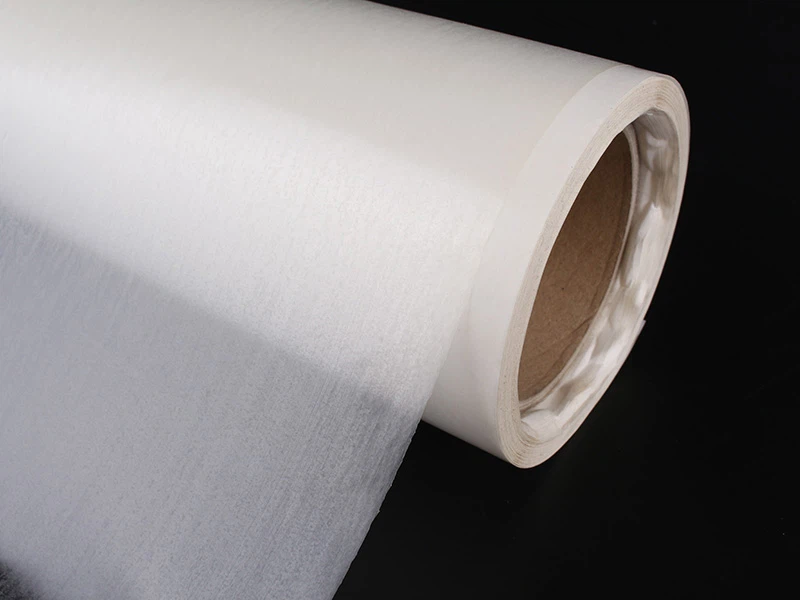
There are also some specialized adhesives that are designed specifically for polypropylene. For example, you can check out the Industrial EVA Adhesive Film. This type of adhesive film is formulated to work well with polypropylene and other plastics. It's a hot - melt adhesive, which means it can be easily applied by heating it up and then pressing it onto the film.
Another option is the Hot Melt Adhesive Film To Bonding PMMA To PC. While it's named for bonding PMMA to PC, it can also be used effectively with polypropylene in many cases. It offers good adhesion strength and is easy to work with.
And if you're looking for something different, the Nylon Hot Melt Adhesive Film can be a great choice. Nylon - based adhesives have unique properties, such as high abrasion resistance, and can form strong bonds with polypropylene.

Application Conditions
The conditions under which you apply the adhesive also matter a lot.
Temperature
Temperature plays a crucial role. Most adhesives have an optimal temperature range for application. If it's too cold, the adhesive might not flow properly and won't be able to form a good bond. If it's too hot, the adhesive might dry too quickly or even degrade. You need to make sure you're operating within the recommended temperature range. For hot - melt adhesives like the ones I mentioned earlier, you'll need to heat them to the right temperature so they can be properly applied to the polypropylene film.
Pressure
Applying the right amount of pressure is also key. When you're bonding the polypropylene film with the adhesive, you need to press them together firmly. This helps the adhesive to spread evenly across the surface and ensures good contact between the adhesive and the film. You can use rollers or presses to apply the pressure, depending on the size and shape of the materials you're working with.
Humidity
Humidity can affect the adhesion process, especially for some adhesives. High humidity can cause the adhesive to absorb moisture, which can change its properties and reduce its adhesion strength. You should try to control the humidity in your working environment as much as possible.
Quality Control
Once you've applied the adhesive, it's important to do some quality control checks. You can do some simple peel tests to see how well the adhesive is sticking to the polypropylene film. If the bond is weak, you might need to go back and adjust your surface treatment, adhesive choice, or application conditions. You can also look for any signs of delamination, such as bubbles or gaps between the film and the adhered material.
In conclusion, improving the adhesion of polypropylene thermoplastic film is a multi - step process. You need to start with proper surface treatment, choose the right adhesive, pay attention to the application conditions, and do some quality control. It might take a bit of trial and error to get it just right, but once you do, you'll have a strong and reliable bond.
If you're in the market for polypropylene thermoplastic film or are looking for more advice on improving adhesion, feel free to reach out. We're here to help you get the best results for your applications.
References
- Mittal, K. L. (Ed.). (2008). Polypropylene: Surface Modification and Adhesion. CRC Press.
- Wicks, Z. W., Jones, F. N., & Pappas, S. P. (1999). Organic Coatings: Science and Technology. Wiley - Interscience.