

Is metal hot melt adhesive film affected by static electricity?
Nov 05, 2025
Is metal hot melt adhesive film affected by static electricity?
As a trusted supplier of metal hot melt adhesive film, I've been frequently asked about the influence of static electricity on our products. In this blog post, I'll delve into this topic, providing a comprehensive understanding of how static electricity can interact with metal hot melt adhesive film and what implications it may have for various applications.
Understanding Metal Hot Melt Adhesive Film
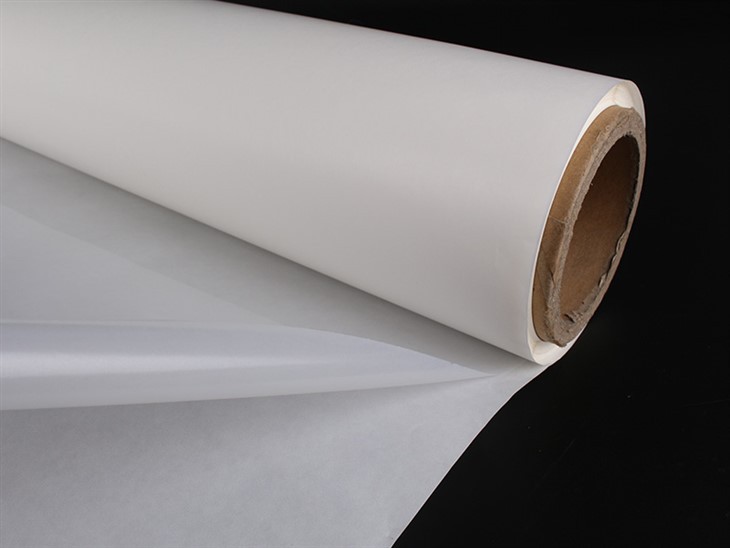
Before we explore the impact of static electricity, let's briefly understand what metal hot melt adhesive film is. Metal hot melt adhesive film is a type of adhesive product that combines the advantages of metal materials and hot melt adhesives. It is commonly used in industries such as electronics, automotive, and aerospace for bonding metal components due to its excellent adhesion strength, heat resistance, and chemical stability.
There are different types of metal hot melt adhesive films available in the market, each with its own unique properties and applications. For example, Thermoplastic Hot Melt Adhesive Film is known for its high flexibility and good adhesion to various substrates, making it suitable for applications where a certain degree of flexibility is required. On the other hand, Hot Melt Adhesive Film For Bonding The Sponge Material is specifically designed for bonding sponge materials, providing a strong and durable bond. And EVA Based Hot Melt Adhesive offers good adhesion to metals and other materials, along with excellent low - temperature performance.
The Nature of Static Electricity
Static electricity is an imbalance of electric charges within or on the surface of a material. It is typically generated by the contact and separation of two different materials, such as when two objects rub against each other. When static electricity builds up on a material, it can cause a variety of effects, including attracting or repelling other charged objects, causing sparks, and interfering with electronic devices.
How Static Electricity Can Affect Metal Hot Melt Adhesive Film
1. Adhesion Performance
Static electricity can potentially affect the adhesion performance of metal hot melt adhesive film. When static charges accumulate on the surface of the adhesive film or the substrates to be bonded, they can create an electrostatic force that may interfere with the proper wetting and spreading of the adhesive. This can result in uneven adhesion, reduced bond strength, and even the formation of voids or bubbles at the bonding interface.
For example, in an environment with high static electricity, the adhesive film may be attracted to dust particles or other contaminants in the air. These contaminants can then get trapped between the adhesive film and the substrate, preventing the adhesive from making direct contact with the surface and weakening the bond.
2. Handling and Processing
Static electricity can also pose challenges during the handling and processing of metal hot melt adhesive film. The electrostatic force can cause the film to stick to other surfaces, such as rollers, cutting tools, or packaging materials. This can make it difficult to unwind, cut, and position the film accurately, leading to production inefficiencies and increased waste.
In addition, static electricity can generate sparks, which can be a safety hazard, especially in environments where flammable materials are present. For instance, in a manufacturing facility where metal hot melt adhesive film is used for bonding electronic components, the presence of static - generated sparks could potentially damage sensitive electronic parts or even cause a fire.
3. Storage and Shelf Life
During storage, static electricity can attract moisture and other contaminants to the surface of the metal hot melt adhesive film. Moisture can cause the adhesive to degrade over time, reducing its adhesion strength and shelf life. Contaminants can also affect the quality of the adhesive, leading to issues such as discoloration, reduced transparency, and poor bonding performance.
Mitigating the Effects of Static Electricity
1. Grounding
One of the simplest and most effective ways to reduce static electricity is through grounding. By connecting the equipment and work surfaces to the ground, the static charges can be safely dissipated, preventing them from building up. For example, in a production line where metal hot melt adhesive film is processed, all the machinery, such as unwinders, cutters, and laminators, should be properly grounded.
2. Humidity Control
Maintaining an appropriate level of humidity in the working environment can also help to reduce static electricity. Higher humidity levels can increase the conductivity of the air, allowing static charges to dissipate more easily. In general, a relative humidity of around 40 - 60% is recommended for working with metal hot melt adhesive film.

3. Anti - Static Agents
Using anti - static agents is another effective method to mitigate the effects of static electricity. Anti - static agents can be applied to the surface of the adhesive film or the substrates to be bonded. These agents work by reducing the surface resistance of the materials, allowing static charges to flow away more quickly. There are different types of anti - static agents available, including sprays, coatings, and additives.
Applications and Considerations
In different applications, the impact of static electricity on metal hot melt adhesive film may vary. In the electronics industry, where metal hot melt adhesive film is used for bonding circuit boards and other sensitive components, even a small amount of static electricity can cause significant damage. Therefore, strict static - control measures need to be implemented in the manufacturing process.
In the automotive industry, where metal hot melt adhesive film is used for bonding metal parts, the presence of static electricity may affect the appearance and quality of the bonded joints. For example, static - induced contaminants can cause visible defects on the surface of the bonded parts, which may not be acceptable for high - end automotive applications.
Conclusion
In conclusion, static electricity can have a significant impact on metal hot melt adhesive film, affecting its adhesion performance, handling, processing, storage, and shelf life. As a supplier of metal hot melt adhesive film, we understand the importance of addressing these issues to ensure the quality and reliability of our products.
By implementing appropriate static - control measures, such as grounding, humidity control, and the use of anti - static agents, the negative effects of static electricity can be minimized. We are committed to providing our customers with high - quality metal hot melt adhesive film products and technical support to help them overcome the challenges associated with static electricity.
If you are interested in purchasing our metal hot melt adhesive film or have any questions about static electricity and its impact on our products, please feel free to contact us for a detailed discussion and procurement negotiation. We look forward to working with you to meet your specific adhesive needs.
References
- "Handbook of Adhesives and Sealants" by Andrew Pizzi and K. L. Mittal
- "Static Electricity Handbook" by John R. Melcher