Is metal hot melt adhesive film suitable for bonding irregular metal surfaces?
Apr 24, 2026
Is metal hot melt adhesive film suitable for bonding irregular metal surfaces?
As a supplier of metal hot melt adhesive film, I often encounter inquiries from customers about the suitability of our product for bonding irregular metal surfaces. This is a crucial question, as many industrial applications involve irregularly shaped metal components that require reliable bonding solutions. In this blog post, I will delve into the factors that determine the effectiveness of metal hot melt adhesive film on irregular metal surfaces and provide insights based on our expertise in the field.
Understanding Metal Hot Melt Adhesive Film
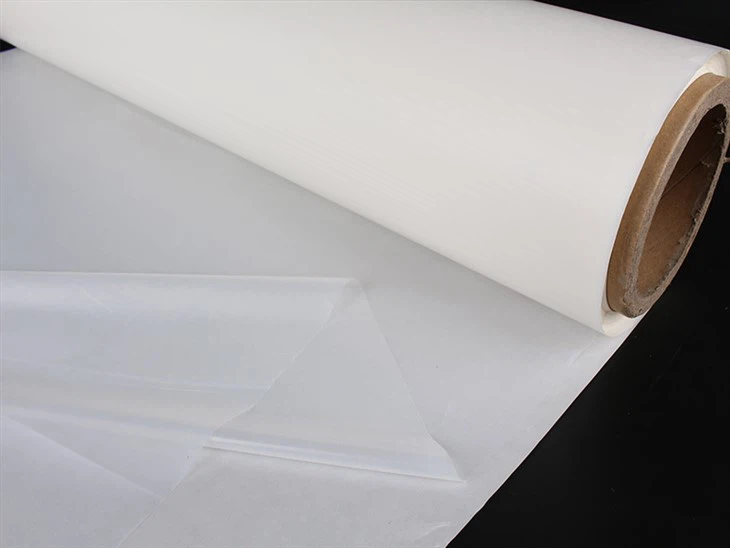
Metal hot melt adhesive film is a type of thermoplastic adhesive that is applied in film form. It offers several advantages over traditional liquid adhesives, such as ease of handling, fast bonding times, and the ability to provide a clean and uniform bond. The film is activated by heat, which causes it to melt and flow, creating a strong bond between the metal surfaces.
Challenges of Bonding Irregular Metal Surfaces
Irregular metal surfaces present unique challenges when it comes to bonding. These surfaces may have rough textures, uneven contours, or complex geometries, which can make it difficult for the adhesive to achieve a complete and secure bond. Additionally, irregular surfaces may trap air or moisture, leading to weak spots in the bond.
Factors Affecting Bonding on Irregular Metal Surfaces
- Surface Preparation: Proper surface preparation is essential for achieving a strong bond on irregular metal surfaces. This includes cleaning the surface to remove any dirt, oil, or rust, as well as roughening the surface to improve adhesion. Sandblasting or chemical etching can be used to create a rough surface texture that allows the adhesive to penetrate and form a stronger bond.
- Adhesive Selection: The choice of adhesive is crucial for bonding irregular metal surfaces. Different types of metal hot melt adhesive films have different properties, such as melting point, viscosity, and adhesion strength. It is important to select an adhesive that is specifically designed for the type of metal and the application requirements. For example, some adhesives are better suited for high-temperature applications, while others are more flexible and can conform to irregular surfaces.
- Application Method: The application method can also affect the bonding performance on irregular metal surfaces. Heat pressing is a common method for applying metal hot melt adhesive film, as it allows for precise control of the temperature and pressure. However, for irregular surfaces, it may be necessary to use a more flexible application method, such as vacuum lamination or roll-to-roll bonding. These methods can help to ensure that the adhesive conforms to the shape of the surface and provides a uniform bond.
- Temperature and Pressure: The temperature and pressure used during the bonding process are critical factors that can affect the bond strength. The adhesive must be heated to its melting point to activate it, but excessive heat can cause the adhesive to degrade or lose its adhesion properties. Similarly, the pressure applied during bonding must be sufficient to ensure that the adhesive spreads evenly and fills any gaps or voids on the surface.
Advantages of Using Metal Hot Melt Adhesive Film on Irregular Metal Surfaces
Despite the challenges, metal hot melt adhesive film offers several advantages for bonding irregular metal surfaces:
- Conformability: Metal hot melt adhesive film is highly flexible and can conform to the shape of irregular surfaces. This allows for a secure bond even on complex geometries, such as curved or contoured metal components.
- Fast Bonding: The hot melt adhesive film bonds quickly, reducing production time and increasing efficiency. This is particularly important in high-volume manufacturing applications.
- Clean and Uniform Bond: The film form of the adhesive provides a clean and uniform bond, without the need for messy liquid adhesives. This can help to improve the appearance of the bonded components and reduce the risk of contamination.
- Versatility: Metal hot melt adhesive film can be used to bond a variety of metals, including steel, aluminum, copper, and brass. It is also compatible with other materials, such as plastics and composites, making it a versatile bonding solution for a wide range of applications.
Examples of Applications
- Automotive Industry: Metal hot melt adhesive film is widely used in the automotive industry for bonding irregular metal components, such as body panels, engine parts, and interior trim. The film provides a strong and durable bond that can withstand the harsh conditions of the automotive environment.
- Electronics Industry: In the electronics industry, metal hot melt adhesive film is used to bond irregular metal components, such as circuit boards, heat sinks, and connectors. The film provides a reliable and efficient bonding solution that can help to improve the performance and reliability of electronic devices.
- Aerospace Industry: The aerospace industry requires high-performance bonding solutions for irregular metal components, such as aircraft wings, fuselages, and engine parts. Metal hot melt adhesive film offers a lightweight and strong bonding solution that can meet the strict requirements of the aerospace industry.
Conclusion
In conclusion, metal hot melt adhesive film can be a suitable solution for bonding irregular metal surfaces, provided that the proper surface preparation, adhesive selection, application method, and bonding parameters are used. The film offers several advantages, such as conformability, fast bonding, clean and uniform bond, and versatility, making it a popular choice for a wide range of industrial applications.
If you are interested in learning more about our metal hot melt adhesive film products or have any questions about bonding irregular metal surfaces, please feel free to contact us. We are happy to provide you with more information and help you find the right bonding solution for your specific needs.
References
- ASTM International. (2021). Standard Test Methods for Strength Properties of Adhesives in Shear by Tension Loading (Metal-to-Metal). ASTM D1002-10(2021).
- ISO 4587:2003. Adhesives - Determination of tensile lap-shear strength of rigid-to-rigid bonded assemblies.
- Peel, A. (2018). Adhesive Bonding of Metals: Principles, Practice, and Performance. Elsevier.
Hot Melt Adhesive Film For Bonding The Sponge Material: /tpu-adhesive-film/hot-melt-adhesive-film-for-bonding-the-sponge.html
Hot Melt Adhesive Film For Sticking The Galvanized Plate: /po-hot-melt-adhesive-film/hot-melt-adhesive-film-for-sticking-the.html
Hot Melt Adhesive Film For Bonding The Galvanized Plate: /po-hot-melt-adhesive-film/hot-melt-adhesive-film-for-bonding-the.html
If you are interested in our metal hot melt adhesive film products and would like to discuss your specific requirements, please reach out to us. We are eager to engage in procurement discussions and provide you with the best bonding solutions for your irregular metal surface applications.