

What are the applications of polypropylene thermoplastic film in the automotive industry?
Nov 20, 2025
Hey there! As a supplier of polypropylene thermoplastic film, I'm super stoked to chat with you about its rad applications in the automotive industry. Polypropylene thermoplastic film is like a hidden gem in the automotive world, offering a bunch of cool features that make it a top - pick for many car - related uses.
Interior Applications
Let's start with the car's interior. One of the main uses of polypropylene thermoplastic film is for dashboard covers. Dashboards take a lot of abuse, from sunlight to scratches. Polypropylene film is super durable and can withstand long - term exposure to UV rays without fading or cracking. This means that the dashboard will look fresh and new for a long time. It also has a smooth finish, which gives the interior of the car a high - end look.
We can customize the film to have different textures, like a leather - like feel or a matte finish, depending on what the car manufacturers want. This allows for a wide range of design options, making each car model unique. In addition to dashboards, polypropylene thermoplastic film is also used for door panels. It can cover the raw materials on the door panels, protecting them from wear and tear while also enhancing the overall aesthetic of the car's interior.
Another cool application is in seat covers. The film can be used as a protective layer on the seats. It's resistant to stains and easy to clean, which is a huge plus for car owners. Spills happen, but with polypropylene thermoplastic film on the seats, a simple wipe with a damp cloth can get rid of most messes.
Exterior Applications
Moving on to the exterior of the car, polypropylene thermoplastic film is used for paint protection. You know how cars can get scratched and chipped on the road? Well, a thin layer of this film can act as a shield. It's transparent, so it doesn't change the look of the car, but it can prevent small rocks, debris, and even minor scratches from damaging the paint.
Some high - end car models use polypropylene film on the front bumper, hood, and fenders, which are the areas most likely to get hit by road debris. The film is also flexible, so it can conform to the curves of the car's body, providing full - coverage protection.
In addition to paint protection, the film can be used for decorative purposes on the exterior. Car manufacturers can use colored or patterned polypropylene thermoplastic film to add some flair to the car. For example, a racing stripe made from this film can give a sporty look to a regular car.
Sound and Vibration Dampening
Polypropylene thermoplastic film also plays a role in sound and vibration dampening. In a car, there are a lot of sources of noise, like the engine, the tires on the road, and the wind. The film can be used as a layer in the car's insulation system. It helps to absorb and reduce the amount of noise that enters the cabin, making for a quieter and more comfortable ride.
It can also dampen vibrations. When the car is running, there are vibrations from the engine and the movement of the car. The film can help to absorb these vibrations, reducing the amount of shaking felt inside the car. This is especially important for luxury cars, where a smooth and quiet ride is a top priority.
Adhesive Applications
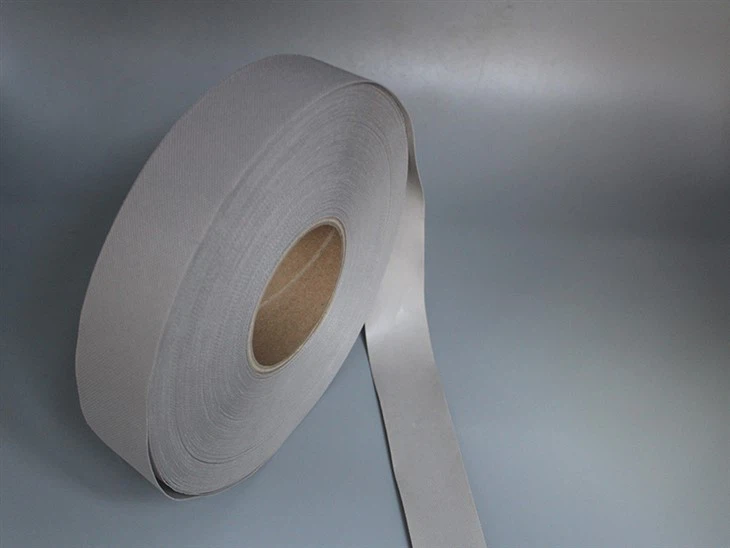
Now, let's talk about how polypropylene thermoplastic film is used in combination with adhesives. We have some really cool products that pair well with our film. For example, the Hot Melt Adhesive Tape For Automotive Industry can be used to attach the polypropylene thermoplastic film to different parts of the car. This adhesive tape is strong and reliable, ensuring that the film stays in place for a long time.
Another great option is the Polyolefin PO Hot Melt Adhesive Film. It can be used to bond the polypropylene thermoplastic film to other materials, like metal or plastic. This is useful when creating composite parts in the car.
And if you're in the business of bookbinding in the automotive industry (like for car manuals), our 28.5cm Width Hot Melt Glue Sheet For Bookbinding can come in handy. It's a reliable way to bind materials together, ensuring that the manuals stay intact.

Cost - effectiveness
One of the big advantages of using polypropylene thermoplastic film in the automotive industry is its cost - effectiveness. Compared to some other materials, it's relatively inexpensive to produce. This means that car manufacturers can save money on production costs without sacrificing quality.
The film is also lightweight, which is important for fuel efficiency. A lighter car uses less fuel, so using polypropylene thermoplastic film in various parts of the car can contribute to better gas mileage.
Environmental Friendliness
In today's world, environmental friendliness is a big deal. Polypropylene thermoplastic film is recyclable, which is a huge plus. Car manufacturers are always looking for ways to reduce their environmental impact, and using recyclable materials like this film is a step in the right direction.
It also has a long lifespan, which means that less material needs to be replaced over time. This reduces waste and is better for the environment in the long run.
Conclusion
So, as you can see, polypropylene thermoplastic film has a ton of applications in the automotive industry. From interior to exterior, from protection to decoration, it's a versatile material that offers many benefits.
If you're in the automotive industry and are interested in using polypropylene thermoplastic film for your products, I'd love to have a chat with you. Whether you need a specific texture, color, or thickness, we can work together to find the perfect solution for your needs. Let's start a conversation about how we can bring your automotive projects to the next level with our high - quality polypropylene thermoplastic film.
References
- "Automotive Materials Handbook: Properties, Selection, and Applications"
- "Plastics in Automotive Engineering: Design and Technology"
- Various industry reports on automotive material trends