

What are the applications of TPU blow molding film?
Aug 06, 2025
TPU blow molding film, a remarkable material in the plastics industry, has witnessed a surge in popularity due to its unique properties and diverse applications. As a leading TPU blow molding film supplier, I am excited to share insights into the various applications of this versatile material.
Packaging Industry
One of the primary applications of TPU blow molding film is in the packaging industry. Its excellent flexibility, toughness, and transparency make it an ideal choice for packaging a wide range of products. For instance, in the food packaging sector, TPU blow molding film can be used to create airtight and moisture - resistant packages. This helps in preserving the freshness and quality of food items, extending their shelf life. The film's ability to withstand different temperatures also makes it suitable for packaging frozen foods.
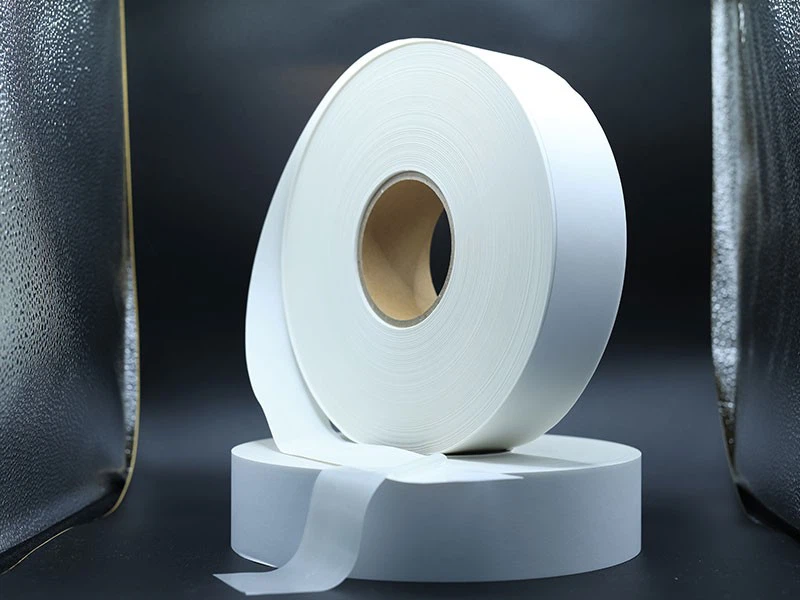

In the pharmaceutical industry, TPU blow molding film is used to package drugs and medical supplies. Its high barrier properties protect the contents from external contaminants such as dust, moisture, and oxygen, ensuring the integrity of the pharmaceutical products. Moreover, the film is non - toxic and compliant with strict medical regulations, making it a safe choice for this critical application.
Automotive Industry
The automotive industry also benefits significantly from TPU blow molding film. It can be used for interior applications such as dashboard covers, door panel linings, and seat covers. The film's soft touch and high abrasion resistance enhance the comfort and durability of the vehicle's interior. Additionally, TPU blow molding film can be easily molded into complex shapes, allowing for seamless integration with the vehicle's design.
For exterior applications, TPU blow molding film can be used as protective covers for automotive parts. It provides a layer of protection against scratches, UV radiation, and environmental damage. This helps in maintaining the appearance and functionality of the vehicle's exterior components over time.
Textile and Apparel Industry
In the textile and apparel industry, TPU blow molding film finds extensive use. It can be laminated onto fabrics to create waterproof and breathable materials. This is particularly useful in outdoor clothing such as rain jackets, hiking pants, and ski suits. The film allows moisture vapor to escape while preventing water from entering, keeping the wearer dry and comfortable.
Furthermore, TPU blow molding film can be used for decorative purposes in clothing. Its ability to be printed with various patterns and colors adds an aesthetic appeal to the garments. It can also be used to create heat - transfer labels and patches, which are durable and long - lasting.
Footwear Industry
The footwear industry is another major consumer of TPU blow molding film. TPU Film for Shoes is a prime example of its application in this sector. The film can be used to make shoe uppers, providing a lightweight and flexible alternative to traditional materials. It offers excellent support and comfort, while also being resistant to abrasion and chemicals.
TPU blow molding film can also be used for shoe soles. Its high elasticity and shock - absorbing properties improve the performance of the shoes, reducing the impact on the wearer's feet during walking or running.
Medical Industry
The medical industry has a growing demand for TPU blow molding film. It can be used for medical device packaging, as mentioned earlier. In addition, the film can be used to create medical tubing. Its biocompatibility and flexibility make it suitable for applications such as intravenous (IV) tubing and catheters. The film's smooth inner surface ensures a smooth flow of fluids, reducing the risk of blockages and infections.
TPU blow molding film can also be used in wound dressings. Its breathable and moisture - controlling properties promote a healthy healing environment for the wound. It can be designed to adhere gently to the skin without causing irritation, making it a patient - friendly option.
Construction Industry
In the construction industry, TPU blow molding film can be used for various applications. It can be used as a waterproofing membrane for roofs and basements. The film's high flexibility and seamless installation capabilities ensure a reliable waterproofing solution. It can also withstand extreme weather conditions, including high temperatures and heavy rainfall.
TPU blow molding film can also be used for sound insulation in buildings. It can be installed between walls and floors to reduce noise transmission, creating a more peaceful indoor environment.
Adhesive Applications
TPU blow molding film can be used in conjunction with Hot Melt Adhesive Film and PVC Sticking Hot Melt Adhesive Film. These adhesive films can be used to bond TPU blow molding film to other materials, expanding its range of applications. For example, in the manufacturing of composite materials, TPU blow molding film can be bonded to metals, plastics, or wood using hot melt adhesive films, creating strong and durable structures.
Conclusion
In conclusion, TPU blow molding film is a highly versatile material with a wide range of applications across multiple industries. Its unique combination of properties such as flexibility, toughness, transparency, and chemical resistance makes it an ideal choice for various demanding applications.
As a TPU blow molding film supplier, we are committed to providing high - quality products that meet the specific needs of our customers. Whether you are in the packaging, automotive, textile, footwear, medical, construction, or any other industry, we have the expertise and resources to offer you the best TPU blow molding film solutions.
If you are interested in learning more about our TPU blow molding film products or would like to discuss your specific requirements, please feel free to contact us. We look forward to the opportunity to work with you and contribute to the success of your projects.
References
- "Handbook of Thermoplastic Elastomers" by B. M. Walker and C. P. Rader
- "Plastics in Automotive Engineering" by G. Menges and H. Michaeli
- "Textile Science" by J. E. Booth