

What are the challenges in the production of metal hot melt adhesive film?
Dec 09, 2025
Hey there! As a supplier of metal hot melt adhesive film, I've been in the thick of it, dealing with all sorts of challenges in the production process. In this blog, I'm gonna share some of the key hurdles we face and how we try to overcome them.
Raw Material Quality and Availability
One of the biggest headaches in making metal hot melt adhesive film is the quality and availability of raw materials. The performance of the final product heavily depends on the quality of the polymers, resins, and additives we use. For instance, if the polymers have inconsistent molecular weights or the resins have impurities, it can mess up the adhesive properties of the film.
We often source our raw materials from multiple suppliers to ensure a steady supply. But sometimes, there are shortages in the market due to various reasons like natural disasters affecting production in certain regions or sudden spikes in demand from other industries. This can lead to delays in our production schedule and may even force us to use alternative materials, which might not always meet our quality standards.
Another issue related to raw materials is the cost. Fluctuations in the prices of basic chemicals can have a significant impact on our production costs. When the prices go up, we either have to absorb the cost and reduce our profit margins or pass it on to our customers, which can make our products less competitive in the market.
Manufacturing Process Complexity
The production of metal hot melt adhesive film involves a complex manufacturing process. First, we need to melt the raw materials at the right temperature and mix them thoroughly to ensure a homogeneous blend. This requires precise control of temperature and mixing speed. If the temperature is too high, it can cause the polymers to degrade, leading to a loss of adhesive strength. On the other hand, if the temperature is too low, the materials may not melt properly, resulting in an uneven film.
After melting and mixing, the molten material is extruded through a die to form a thin film. The thickness and width of the film need to be carefully controlled during this process. Any variations in the extrusion speed or pressure can lead to thickness inconsistencies, which can affect the performance of the adhesive film.
We also need to apply the right amount of tension during the winding process to prevent the film from wrinkling or stretching. This is a delicate balance, and even a small error can result in defective products.
Quality Control
Maintaining consistent quality is crucial in the production of metal hot melt adhesive film. We have to conduct a series of tests at different stages of the production process to ensure that the film meets our quality standards. These tests include measuring the adhesive strength, melting point, thickness, and transparency of the film.
However, quality control can be a challenging task. There are many factors that can affect the test results, such as the testing environment, the condition of the testing equipment, and the skill level of the operators. For example, if the testing equipment is not calibrated properly, it can give inaccurate readings, leading to false acceptance or rejection of products.
We also need to keep up with the changing industry standards and customer requirements. New regulations may be introduced, or customers may demand higher performance levels from our products. This means we have to constantly update our quality control procedures and invest in new testing equipment.
Environmental and Safety Regulations
The production of metal hot melt adhesive film is subject to various environmental and safety regulations. We have to ensure that our manufacturing processes do not cause any harm to the environment or pose a risk to the health and safety of our employees.
For example, the melting and mixing of raw materials can release volatile organic compounds (VOCs) into the air. We need to install proper ventilation systems and treatment equipment to reduce the emissions of VOCs. We also have to handle and dispose of waste materials, such as unused raw materials and defective products, in an environmentally friendly way.
In addition, we have to comply with safety regulations to protect our employees from potential hazards. This includes providing appropriate personal protective equipment (PPE) and training our employees on safe handling procedures. Failure to comply with these regulations can result in fines, legal issues, and damage to our reputation.
Meeting Customer Expectations
Our customers have high expectations when it comes to the performance and quality of our metal hot melt adhesive film. They want a product that can provide strong adhesion, good heat resistance, and long - term durability. Meeting these expectations can be a real challenge, especially when dealing with different types of metals and applications.
Some customers may also have specific requirements, such as a certain thickness of the film or a particular color. We need to be able to customize our products to meet these individual needs. This requires us to have a flexible production process and a good understanding of the customer's application.
Moreover, customers are always looking for cost - effective solutions. We need to find ways to reduce our production costs without sacrificing quality to offer competitive prices. This can be a difficult balancing act, but it's essential for our business success.
Overcoming the Challenges
Despite these challenges, we're constantly working on finding solutions. To deal with raw material issues, we're building stronger relationships with our suppliers and exploring long - term supply contracts to ensure a stable supply and better price negotiation. We're also investing in research and development to find alternative raw materials that are more cost - effective and environmentally friendly.
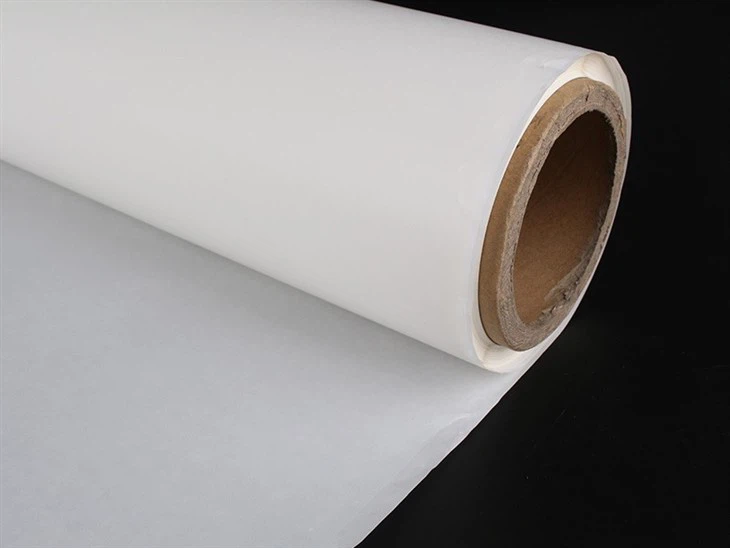

In terms of the manufacturing process, we're upgrading our equipment and implementing advanced control systems to improve the precision and consistency of our production. We're also training our employees to operate the equipment more skillfully and handle any issues that may arise during the production process.
For quality control, we're using more advanced testing methods and regularly calibrating our testing equipment. We're also establishing a quality management system to ensure that every step of the production process is monitored and controlled.
To comply with environmental and safety regulations, we're continuously improving our environmental management practices and safety procedures. We're also keeping up with the latest regulatory changes and adjusting our operations accordingly.
When it comes to meeting customer expectations, we're focusing on improving our communication with customers to understand their needs better. We're also expanding our product range to offer more options for different applications.
Our Product Range
We offer a variety of metal hot melt adhesive films to meet different customer requirements. For example, our Reach UL94V - 0 Flame Retardant Level Hot Melt Adhesive Film is designed for applications where flame retardancy is a critical requirement. It can provide strong adhesion while meeting the strict UL94V - 0 flame retardant standard.
Our Thermoplastic Double Sided Hot Melt Adhesive Film is suitable for bonding different types of metals and other materials. It has excellent heat resistance and can be used in a wide range of temperatures.
We also offer PES Hot Melt Granule, which can be used as a raw material for the production of hot melt adhesive film or for other adhesive applications.
Contact Us for Procurement
If you're interested in our metal hot melt adhesive film products or have any questions about our production process, feel free to reach out to us. We're always happy to discuss your specific needs and provide you with the best solutions. Whether you're a small business or a large corporation, we're committed to providing high - quality products and excellent customer service.
References
- "Adhesive Technology Handbook", Third Edition, edited by Andrew Pizzi and K. L. Mittal
- "Plastics Additives Handbook", Fifth Edition, by Hans Zweifel