

What are the disadvantages of pp hot melt adhesive film?
Jul 02, 2025
Yo, what's up everyone! As a supplier of PP hot melt adhesive film, I've been in this game for quite a while. Today, I wanna have an open and honest chat about the disadvantages of PP hot melt adhesive film. Yeah, I know it might seem a bit counter - intuitive for a supplier to talk about the downsides, but I believe in transparency. It'll help you make a more informed decision when you're looking for the right adhesive solution.
1. Limited Heat Resistance
One of the major drawbacks of PP hot melt adhesive film is its limited heat resistance. PP, or polypropylene, has a relatively low melting point compared to some other materials used in hot melt adhesives. When exposed to high temperatures, the adhesive can start to soften and lose its bonding strength.
For example, in industrial applications where the bonded parts are likely to be exposed to heat, such as in some manufacturing processes or in environments with high ambient temperatures, the PP hot melt adhesive film might not hold up well. If you're using it to bond components in a machine that generates a lot of heat during operation, the adhesive could start to fail over time. This could lead to parts coming loose, which can be a real headache in terms of product reliability and safety.
If you're in an industry where heat resistance is crucial, you might want to consider alternatives like Semi - Transparent Hot Melt Adhesive Film. This type of film may offer better performance under high - temperature conditions.
2. Chemical Resistance Issues
PP hot melt adhesive film also has some limitations when it comes to chemical resistance. It can be affected by certain chemicals, solvents, and oils. When in contact with these substances, the adhesive can degrade, which weakens the bond between the materials it's holding together.
Let's say you're using the PP hot melt adhesive film in a chemical - processing plant or in a product that might come into contact with cleaning agents or lubricants. The chemicals can break down the adhesive over time, causing the bond to fail. This means that the parts that were supposed to be securely attached could separate, leading to product damage or malfunction.
In such situations, you might need to look for a more chemically resistant option. Hot Melt Adhesive Tape For Textile Fabric could be a better choice as it may offer improved chemical resistance, depending on your specific needs.
3. Bonding Strength in Some Materials
The bonding strength of PP hot melt adhesive film can vary depending on the materials it's being used to bond. While it works well with some plastics and similar materials, it might not provide a strong enough bond with other materials like metals or glass.
When bonding to metals, the surface energy of the metal and the PP adhesive might not be well - matched. This can result in a weaker bond compared to using an adhesive specifically designed for metal bonding. For glass, the smooth and non - porous surface can make it difficult for the PP hot melt adhesive film to form a strong and lasting bond.
If you're looking to bond dissimilar materials, especially metals or glass, you may want to explore Hot Melt Adhesive Tpu Film for Laminating Fabric, which could potentially offer better bonding performance for a wider range of materials.
4. Weathering and UV Resistance
Outdoor applications can be a challenge for PP hot melt adhesive film. It doesn't have great weathering and UV resistance. When exposed to sunlight, rain, and other environmental factors over an extended period, the adhesive can start to break down.
UV rays from the sun can cause the PP material to become brittle and lose its flexibility. This makes the adhesive more prone to cracking and peeling. And when it rains, the moisture can seep into the bond, further weakening it. If you're using the PP hot melt adhesive film for outdoor signage, for example, or in a product that's going to be installed outside, you'll likely face issues with the adhesive failing over time.
For outdoor projects, you should definitely think about other adhesives that are designed to withstand the elements. There are products on the market that are formulated to resist UV rays and moisture, which can provide a more reliable long - term solution.
5. Limited Flexibility in Some Applications
PP hot melt adhesive film may not be the best choice for applications that require a high degree of flexibility. Once the adhesive has set, it can be relatively rigid. This means that if the bonded materials need to bend or flex during normal use, the PP hot melt adhesive film might crack or break.
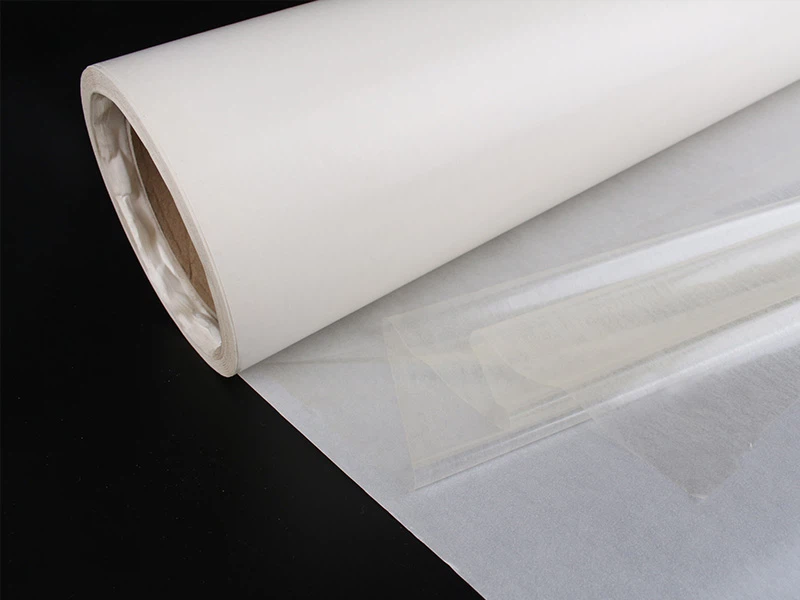

For instance, if you're using it to bond fabrics in a garment that needs to stretch and move with the wearer, the lack of flexibility in the adhesive could cause the fabric to tear at the bonded areas or the adhesive to come loose. In cases where flexibility is key, like in the textile or footwear industries, you might want to look for a more flexible adhesive option.
6. Initial Bonding Challenges
Getting a good initial bond with PP hot melt adhesive film can sometimes be tricky. It requires the right temperature and pressure during the bonding process. If the temperature is too low, the adhesive might not melt properly, which means it won't flow and adhere well to the surfaces. On the other hand, if the temperature is too high, it can over - heat the adhesive and cause it to degrade.
Similarly, if the pressure applied during the bonding process is not uniform or sufficient, the bond might be weak in some areas. This can lead to inconsistent bonding, which can affect the overall performance of the product. You need to have the right equipment and know - how to ensure a proper initial bond. If you're a small - scale user or don't have access to professional bonding equipment, this can be a real hurdle.
7. Shelf Life Considerations
PP hot melt adhesive film has a limited shelf life. Over time, the properties of the adhesive can change. It can become more brittle, and its bonding strength can decrease. This means that if you have a large stock of the film sitting in your warehouse for a long time, it might not perform as well when you finally use it.
You need to be careful about managing your inventory and using the film within its recommended shelf life. Otherwise, you could end up with adhesive that doesn't work as expected, which can lead to wasted materials and increased costs.
Conclusion
So, as you can see, while PP hot melt adhesive film has its uses, it also comes with a fair share of disadvantages. But don't let that scare you off completely. In many applications where the heat, chemical, and flexibility requirements are not too extreme, it can still be a cost - effective and practical choice.
If you're facing some of the issues I've mentioned here and need a better solution, I'm here to help. I've got a lot of experience in the adhesive film industry, and I can guide you to the right product for your specific needs. Whether it's finding an alternative with better heat resistance or one that offers more flexibility, we can work together to figure out the best option.
If you're interested in learning more about our products or want to discuss your adhesive requirements, feel free to reach out. We can have a detailed chat about your project and see how we can provide the best adhesive solution for you.
References
- General knowledge and experience in the hot melt adhesive film industry.
- Technical data and research on the properties of PP hot melt adhesive film.