

What is the difference between cast and blown polypropylene thermoplastic film?
Nov 18, 2025
Polypropylene thermoplastic films are widely used in various industries due to their excellent properties such as high tensile strength, good chemical resistance, and transparency. As a polypropylene thermoplastic film supplier, I often receive inquiries about the differences between cast and blown polypropylene thermoplastic films. In this blog post, I will delve into the key distinctions between these two types of films, their manufacturing processes, characteristics, and applications.
Manufacturing Processes
Cast Polypropylene Film
The production of cast polypropylene film involves extruding molten polypropylene through a flat die onto a chilled casting roll. The molten polymer is rapidly cooled on the roll, which results in a film with a smooth surface and uniform thickness. This process is continuous and highly efficient, allowing for the production of large volumes of film with consistent quality. The casting roll can be adjusted to control the film's thickness, width, and surface finish.
Blown Polypropylene Film
Blown polypropylene film is produced using a blown film extrusion process. In this method, molten polypropylene is extruded through a circular die to form a tube. Air is then blown into the center of the tube, causing it to expand and form a bubble. The bubble is cooled by air or water as it rises, and then it is collapsed and wound onto a roll. This process allows for the production of films with a wider range of thicknesses and widths compared to the cast film process.
Characteristics
Thickness and Uniformity
Cast polypropylene films typically have a more uniform thickness compared to blown films. The flat die and chilled roll in the cast process ensure that the film is evenly spread and cooled, resulting in a consistent thickness across the entire width of the film. On the other hand, blown films may have slight variations in thickness due to the nature of the bubble formation process. However, modern blown film extrusion equipment has significantly improved the thickness uniformity of blown films.
Surface Finish
Cast films have a smooth and glossy surface finish, which makes them ideal for applications where appearance is important, such as packaging and labels. The rapid cooling on the chilled roll gives the film a high gloss and a smooth texture. Blown films, on the other hand, have a more matte surface finish. This is because the air cooling process in the blown film extrusion creates a slightly rough surface texture. However, the matte finish can be advantageous in some applications, such as in anti-glare packaging.
Tensile Strength and Elongation
Blown polypropylene films generally have higher tensile strength and elongation properties compared to cast films. The biaxial orientation that occurs during the bubble formation process in blown film extrusion aligns the polymer molecules in both the machine and transverse directions, resulting in a stronger and more flexible film. Cast films, on the other hand, have a more uniaxial orientation, which gives them lower tensile strength and elongation in the transverse direction.
Puncture Resistance
Due to their higher tensile strength and elongation, blown polypropylene films typically have better puncture resistance compared to cast films. This makes them more suitable for applications where the film may be subjected to sharp objects or rough handling, such as in heavy-duty packaging.
Applications
Cast Polypropylene Film
- Packaging: Cast polypropylene films are widely used in the packaging industry for applications such as food packaging, pharmaceutical packaging, and consumer goods packaging. Their smooth surface finish, high clarity, and excellent printability make them ideal for showcasing products.
- Labels: The high gloss and smooth surface of cast films make them suitable for label applications. They can be easily printed with high-quality graphics and text, and their durability ensures that the labels remain intact during handling and storage.
- Lamination: Cast polypropylene films are often used as a lamination layer in composite materials. They can be laminated to other substrates, such as paper or cardboard, to provide additional strength, moisture resistance, and barrier properties.
Blown Polypropylene Film
- Heavy-Duty Packaging: The high tensile strength and puncture resistance of blown polypropylene films make them suitable for heavy-duty packaging applications, such as industrial packaging, agricultural packaging, and construction packaging.
- Agricultural Films: Blown films are commonly used in agriculture for applications such as greenhouse covers, mulch films, and silage bags. Their flexibility and durability allow them to withstand harsh environmental conditions.
- Textile Packaging: Blown polypropylene films are also used in the textile industry for packaging fabrics and garments. Their anti-static properties and ability to protect the textiles from dust and moisture make them a popular choice.
Conclusion
In summary, cast and blown polypropylene thermoplastic films have distinct differences in their manufacturing processes, characteristics, and applications. Cast films offer a smooth surface finish, uniform thickness, and excellent printability, making them suitable for packaging, labels, and lamination applications. Blown films, on the other hand, have higher tensile strength, better puncture resistance, and a wider range of thicknesses and widths, making them ideal for heavy-duty packaging, agricultural, and textile applications.
As a polypropylene thermoplastic film supplier, we offer a wide range of cast and blown polypropylene films to meet the diverse needs of our customers. Whether you are looking for a high-gloss film for packaging or a strong and durable film for heavy-duty applications, we have the solution for you. If you are interested in learning more about our products or would like to discuss your specific requirements, please feel free to contact us for a consultation. We look forward to working with you to find the perfect polypropylene thermoplastic film for your application.

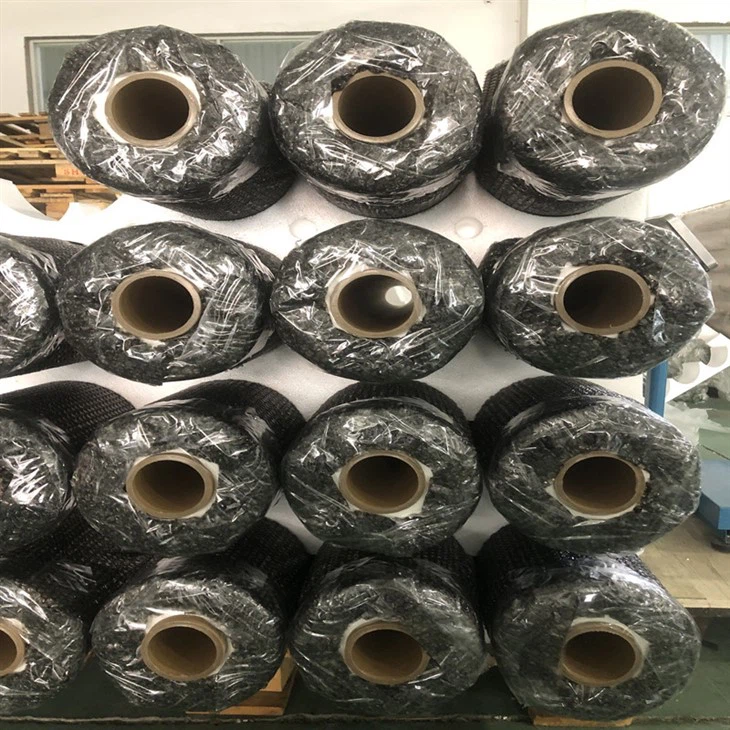
If you want to explore more related products, you can check out our TPU Blow Molding Film, Powerful Hot Melt Adhesive Film, and PA Hot Melt Adhesive Granules.
References
- "Plastics Technology Handbook" by James F. Carley
- "Polymer Processing: Principles and Design" by Christopher Rauwendaal
- "Handbook of Plastic Films" by R. A. Pethrick and C. E. Zichy