

What is the electrical insulation property of PVC sticking hot melt adhesive film?
Mar 20, 2026
Yo, what's up! I'm a supplier of PVC sticking hot melt adhesive film, and today I wanna chat about the electrical insulation property of this stuff. It's a pretty important topic, especially if you're in industries where electrical safety is a big deal, like electronics manufacturing or electrical equipment assembly.
First off, let's understand what electrical insulation is. In simple terms, electrical insulation is the ability of a material to resist the flow of electric current. When you've got a material with good electrical insulation properties, it acts as a barrier, preventing electricity from going where it shouldn't. This is crucial for protecting people and equipment from electrical shocks and short - circuits.
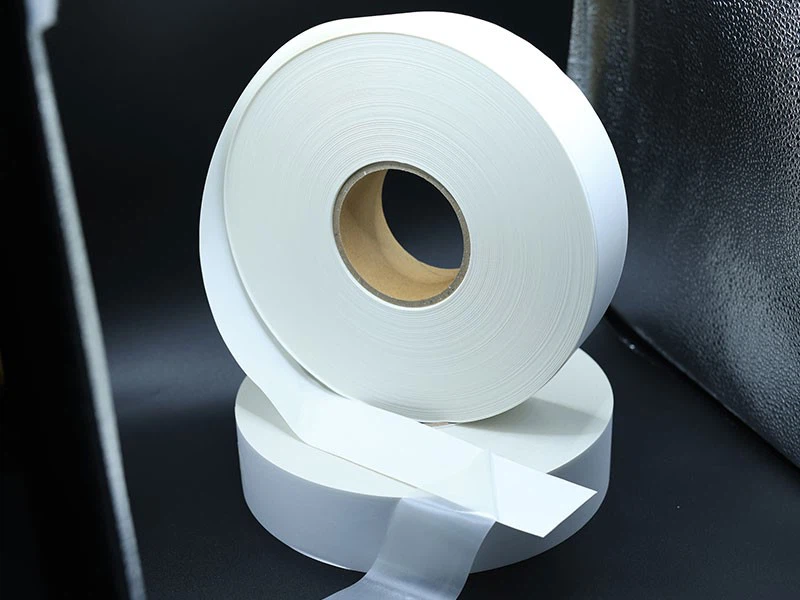
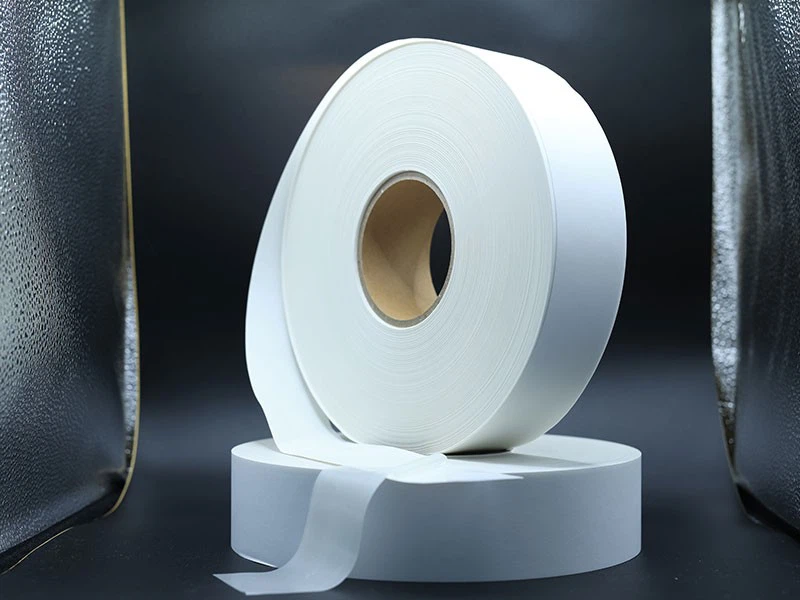
So, how does PVC sticking hot melt adhesive film stack up in terms of electrical insulation? Well, PVC (polyvinyl chloride) itself is known for having decent electrical insulation characteristics. It's a polymer that has a high resistivity, which means it doesn't allow electric current to pass through it easily. When we turn it into a hot melt adhesive film, those properties are retained to a large extent.
One of the key advantages of using PVC sticking hot melt adhesive film for electrical insulation is its flexibility. Unlike some rigid insulation materials, this film can easily conform to different shapes and contours. This is super handy in applications where you've got irregularly shaped components or parts that need to be insulated. For example, in the production of electronic circuit boards, the film can be wrapped around small, intricate components to provide a snug and effective insulation layer.
Another great thing about this film is its ease of application. As a hot melt adhesive, it just needs to be heated to a certain temperature, and then it can be easily adhered to the surface that needs insulation. This not only saves time but also reduces the chances of mistakes during the insulation process. Compared to traditional methods of insulation, like using tapes or coatings, it's a lot more efficient.
Now, let's talk about some of the factors that can affect the electrical insulation property of PVC sticking hot melt adhesive film. Temperature is a big one. As the temperature rises, the resistivity of the PVC material can decrease, which means its insulation performance might go down. That's why it's important to know the operating temperature range of the film and make sure it's used within those limits.
Humidity is another factor. If the film is exposed to high levels of moisture, it can absorb water, which can lead to a decrease in its electrical insulation ability. So, in environments with high humidity, proper protection measures need to be taken to ensure the film's long - term performance.
When it comes to comparing PVC sticking hot melt adhesive film with other types of insulation materials, it has its own unique selling points. For instance, compared to Hot Melt Adhesive Film, PVC film might offer better flexibility in some cases. And when we look at EVA Based Hot Melt Adhesive, PVC can have a different set of chemical and physical properties that make it more suitable for certain electrical applications.
In the industrial sector, Industrial EVA Adhesive Film is also widely used, but PVC sticking hot melt adhesive film has its niche. For example, in applications where there's a need for a more durable and chemically resistant insulation layer, PVC film can be a better choice.
We've done a lot of testing on our PVC sticking hot melt adhesive film to ensure its electrical insulation properties meet high standards. Our R & D team has been working hard to optimize the formula to improve its performance in different conditions. We've tested it in various temperature and humidity environments, and the results have been quite promising.
If you're in the market for a reliable electrical insulation solution, our PVC sticking hot melt adhesive film could be just what you need. Whether you're in the electronics industry, automotive industry, or any other field where electrical safety is a concern, we've got you covered.
We're always open to having a chat with potential customers about their specific needs. If you've got any questions regarding the electrical insulation property of our PVC sticking hot melt adhesive film, or if you want to discuss a custom - made solution for your project, don't hesitate to reach out. We're here to help you find the best insulation solution for your business.
In conclusion, the electrical insulation property of PVC sticking hot melt adhesive film is an important aspect that offers a lot of benefits in various industries. Its flexibility, ease of application, and decent insulation performance make it a popular choice. If you're interested in learning more or making a purchase, just get in touch, and we'll take it from there.
References:
- General knowledge on electrical insulation materials
- In - house research and testing data on PVC sticking hot melt adhesive film