

What is the maximum bond area that a powerful hot melt adhesive film can cover?
Mar 24, 2026
What is the maximum bond area that a powerful hot melt adhesive film can cover?
As a supplier of powerful hot melt adhesive films, I'm often asked about the maximum bond area these films can cover. This is a crucial question for many industries, including textiles, electronics, and automotive, where large - scale bonding tasks are common. In this blog, I'll explore the factors affecting the maximum bond area and provide some practical insights.
Factors Influencing the Maximum Bond Area
-
Adhesive Properties
The inherent properties of the hot melt adhesive play a significant role in determining the maximum bond area. For example, the viscosity of the adhesive when melted is crucial. A high - viscosity adhesive may not spread evenly over a large area, leading to uneven bonding and potential weak spots. On the other hand, a low - viscosity adhesive can flow more easily, allowing it to cover a larger area. Additionally, the tack of the adhesive, which is its ability to stick quickly upon contact, also matters. A hot melt adhesive with good tack can adhere to the substrates efficiently, enabling larger - scale bonding.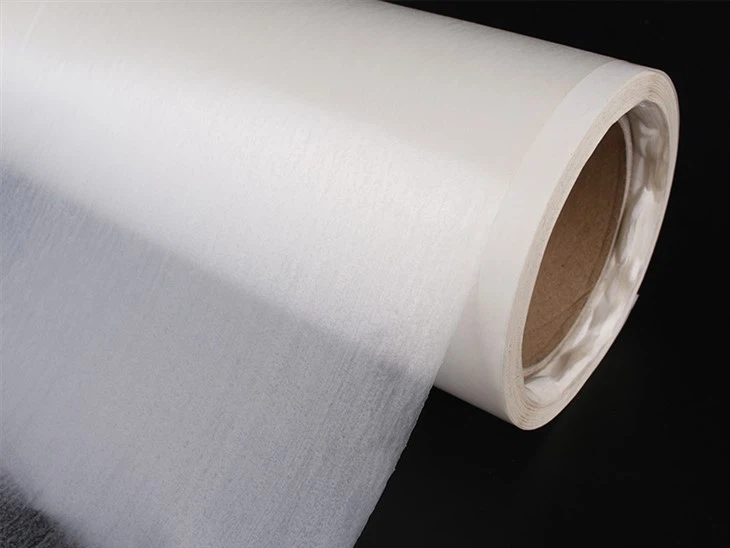

-
Substrate Characteristics
The type and condition of the substrates being bonded are equally important. Different materials have different surface energies, which affect the adhesion of the hot melt adhesive film. For instance, some plastics may have low surface energy, requiring special surface treatments to ensure proper bonding. Rough or porous substrates may absorb more adhesive, reducing the effective bond area if the adhesive supply is limited. On the contrary, smooth and non - porous substrates can provide a more uniform bonding surface, allowing for a larger bond area. -
Application Methods and Equipment
The way the hot melt adhesive film is applied also influences the maximum bond area. Manual application methods may be limited in terms of precision and speed, making it difficult to cover a large area evenly. Automated application systems, such as roller coaters or extrusion machines, can provide more consistent and efficient application, enabling larger bond areas. The heating equipment used to melt the adhesive film is also critical. Insufficient heating may result in incomplete melting of the adhesive, while overheating can degrade its properties, both of which can limit the bond area.
Examples of Bonding large Areas with Our Hot Melt Adhesive Films
In the textile industry, many manufacturers use our hot melt adhesive films for embroidery patches. Our Hot Melt Adhesive Film For Embroidery Patch is designed to provide strong and durable bonds even over relatively large areas. This adhesive film not only offers excellent adhesion but also maintains its flexibility, ensuring that the embroidery patch remains intact during washing and normal wear.
In the field of advanced materials, our Polyurethane TPU Hot Melt Adhesive Film is widely used for bonding various components. The unique properties of TPU allow it to cover large areas while providing high - strength bonds. This film is suitable for applications where large - scale bonding of flexible and rigid materials is required, such as in the production of electronic devices and automotive interiors.
Another example is our Hot Melt Adhesive Film To Bonding PMMA To PC. In industries such as optical displays and signage, where PMMA (polymethyl methacrylate) and PC (polycarbonate) need to be bonded together, this adhesive film can cover significant surface areas. It provides a clear and strong bond, meeting the high - quality requirements of these applications.
Practical Considerations for Large - Area Bonding
- Pre - testing
Before attempting large - area bonding, it's essential to conduct pre - tests on small samples. This helps to determine the optimal application parameters, such as the correct temperature, pressure, and dwell time. By performing these tests, you can identify any potential issues, such as poor adhesion or uneven bonding, and make adjustments accordingly. - Adhesive Quantity and Distribution
Ensuring the right amount of adhesive is used is crucial for large - area bonding. Too little adhesive may result in incomplete bonding, while too much can lead to messy applications and potential waste. Proper distribution of the adhesive across the substrate is also important. Using application equipment that can control the adhesive flow and spread can help achieve a more uniform bond. - Environmental Conditions
The environmental conditions during the bonding process can affect the performance of the hot melt adhesive film. Temperature and humidity can influence the melting and curing of the adhesive. For example, high humidity may cause moisture to be trapped in the adhesive, leading to reduced bonding strength. It's important to control these conditions to ensure consistent and reliable bonding results.
Conclusion
In conclusion, the maximum bond area that a powerful hot melt adhesive film can cover is influenced by multiple factors, including adhesive properties, substrate characteristics, and application methods. Our company offers a range of hot melt adhesive films that are suitable for large - area bonding in various industries. Whether you're working on embroidery patches, advanced material bonding, or optical component assembly, our products can provide the strength and reliability you need.
If you're interested in learning more about our hot melt adhesive films or have a specific large - area bonding project in mind, we encourage you to reach out to us for further discussion. We're here to help you find the best adhesive solutions for your needs.
References
- ASTM International. (20XX). Standard test methods for evaluating the bond strength of adhesives.
- ISO Standards. (20XX). International standards for adhesive performance and testing.
- Textile Research Journal. (20XX). Studies on the use of hot melt adhesives in textile applications.