

What is the surface energy of pvc sticking hot melt adhesive film?
Sep 18, 2025
Surface energy plays a crucial role in the adhesion process, especially when it comes to PVC sticking hot melt adhesive films. As a supplier of PVC sticking hot melt adhesive films, I've witnessed firsthand the significance of understanding surface energy in achieving optimal bonding results. In this blog post, I'll delve into what surface energy is, how it relates to PVC sticking hot melt adhesive films, and why it matters for your projects.
What is Surface Energy?
Surface energy, also known as surface tension, is a measure of the excess energy at the surface of a material compared to its bulk. It arises due to the imbalance of intermolecular forces at the surface. Molecules in the bulk of a material are surrounded by other molecules on all sides, experiencing balanced forces. However, molecules at the surface have fewer neighboring molecules on one side, resulting in a net inward pull. This creates a surface that behaves like a stretched elastic membrane, with a tendency to minimize its area.
Surface energy is typically expressed in units of milli - joules per square meter (mJ/m²). Different materials have different surface energies, which can be influenced by factors such as chemical composition, surface roughness, and the presence of contaminants. Materials with high surface energy tend to be more wettable, meaning that liquids or adhesives can spread more easily on their surfaces, leading to better adhesion.
Surface Energy of PVC
PVC (Polyvinyl Chloride) is a widely used thermoplastic polymer known for its versatility, durability, and cost - effectiveness. However, PVC has a relatively low surface energy, typically in the range of 30 - 35 mJ/m². This low surface energy can pose challenges when it comes to bonding PVC with other materials, including hot melt adhesive films.
The low surface energy of PVC means that adhesives may not spread evenly on its surface, resulting in poor wetting and weak adhesion. To overcome this issue, various surface treatment methods can be employed to increase the surface energy of PVC. These methods include corona treatment, flame treatment, and chemical etching. These treatments modify the surface of the PVC, introducing polar groups and increasing surface roughness, which in turn enhances the wettability and adhesion of the hot melt adhesive film.
Surface Energy of Hot Melt Adhesive Films
Hot melt adhesive films are solid at room temperature and become liquid when heated. They are widely used in various industries, including packaging, textiles, and automotive, due to their fast bonding speed, strong adhesion, and environmental friendliness. The surface energy of hot melt adhesive films can vary depending on their chemical composition.
For example, some hot melt adhesive films based on polyolefins have relatively low surface energies, similar to PVC. On the other hand, adhesive films made from more polar polymers, such as polyurethanes, have higher surface energies. When selecting a hot melt adhesive film for PVC bonding, it's important to consider the surface energy compatibility between the PVC and the adhesive film. An adhesive film with a higher surface energy than the PVC is more likely to wet the PVC surface effectively and form a strong bond.
Importance of Surface Energy Compatibility in PVC Sticking Hot Melt Adhesive Films
Achieving good adhesion between PVC and hot melt adhesive films requires proper surface energy compatibility. When the surface energy of the adhesive film is significantly higher than that of the PVC, the adhesive will spread well on the PVC surface, forming a large contact area. This large contact area allows for more intermolecular interactions between the PVC and the adhesive, resulting in stronger adhesion.

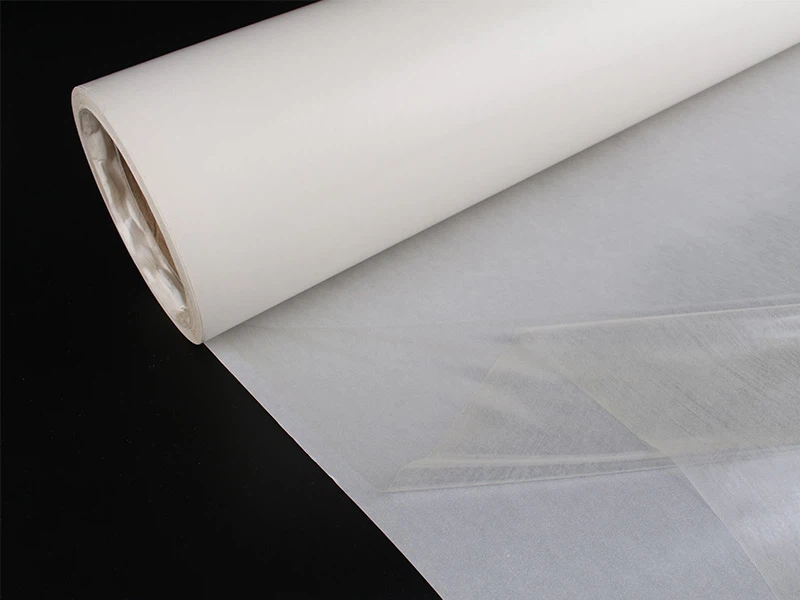
In addition to surface energy, other factors such as temperature, pressure, and bonding time also affect the adhesion strength. For example, heating the hot melt adhesive film to the appropriate temperature is crucial for it to flow and wet the PVC surface. Applying the right amount of pressure during the bonding process helps to ensure intimate contact between the two materials, further enhancing adhesion.
Applications of PVC Sticking Hot Melt Adhesive Films
PVC sticking hot melt adhesive films have a wide range of applications. In the textile industry, they are used for bonding clothing labels. The Hot Melt Adhesive Film for Clothing Labels can provide a strong and durable bond between the label and the fabric, ensuring that the label stays in place even after multiple washes.
In the footwear industry, PVC sticking hot melt adhesive films are used for various bonding applications. TPU Film for Shoes can be used to bond different parts of the shoe, such as the upper to the sole, providing a flexible and water - resistant bond. EVA Hot Melt Adhesive Film for Shoes is also popular for its excellent adhesion to EVA foam, which is commonly used in shoe midsoles.
Measuring Surface Energy
There are several methods available for measuring the surface energy of materials, including the contact angle method and the surface tension measurement using a tensiometer.
The contact angle method involves measuring the angle formed between a liquid droplet and the surface of the material. A smaller contact angle indicates better wetting and higher surface energy. By using different test liquids with known surface tensions, the surface energy of the material can be calculated using various equations, such as the Owens - Wendt - Rabel - Kaelble (OWRK) method.
Tensiometers measure the force required to detach a probe from the surface of a liquid or a solid. This force is related to the surface tension or surface energy of the material. These instruments can provide accurate and reliable measurements of surface energy, which are essential for quality control and product development in the PVC sticking hot melt adhesive film industry.
Improving Adhesion in PVC Sticking Hot Melt Adhesive Films
As a supplier of PVC sticking hot melt adhesive films, we are committed to providing high - quality products and solutions to our customers. To improve the adhesion between PVC and hot melt adhesive films, we offer a range of adhesive films with different chemical compositions and surface energies. Our technical team can also provide advice on surface treatment methods for PVC to ensure optimal adhesion.
In addition, we conduct extensive research and development to continuously improve the performance of our products. We test our adhesive films under various conditions to ensure that they meet the strict requirements of different industries.
Conclusion
Understanding the surface energy of PVC and hot melt adhesive films is essential for achieving strong and reliable adhesion in PVC sticking applications. The low surface energy of PVC can be a challenge, but with proper surface treatment and the selection of compatible hot melt adhesive films, excellent bonding results can be achieved.
If you are looking for high - quality PVC sticking hot melt adhesive films for your projects, we are here to help. Our products are designed to provide strong, durable, and consistent adhesion, and our team of experts can offer technical support and guidance throughout your project. Whether you are in the textile, footwear, or other industries, we have the right solution for you. Contact us to start a discussion about your specific requirements and explore how our PVC sticking hot melt adhesive films can meet your needs.
References
- Wu, S. (1982). Polymer Interface and Adhesion. Marcel Dekker, Inc.
- Mittal, K. L. (Ed.). (1999). Polymeric Surfaces: Structure and Modification. VSP.
- Pocius, A. V. (2002). Adhesion and Adhesives Technology: An Introduction. Hanser Gardner Publications.