

What surface treatments can be applied to TPU thin film for better adhesion?
Nov 03, 2025
Hey there! As a TPU thin film supplier, I often get asked about how to improve the adhesion of TPU thin films. It's a crucial aspect, especially when you're looking to bond TPU thin films to other materials. In this blog, I'll share some surface treatments that can be applied to TPU thin films for better adhesion.
1. Corona Treatment
Corona treatment is one of the most common surface treatments used for TPU thin films. It works by exposing the film surface to a high - energy corona discharge. This discharge ionizes the air around the film, creating free radicals that react with the TPU surface.
The main benefit of corona treatment is that it increases the surface energy of the TPU thin film. Higher surface energy means the film can better wet out when in contact with an adhesive, which is essential for good adhesion. It also cleans the surface by removing any contaminants that might interfere with the bonding process.
However, corona treatment has a limited shelf - life. The increased surface energy will gradually decrease over time, so it's best to bond the treated TPU thin film as soon as possible. You can learn more about the bonding materials that work well with corona - treated TPU thin films by checking out Hot Melt Adhesive Films. These adhesives are designed to work with various surface - treated films and can provide a strong bond.
2. Plasma Treatment
Plasma treatment is another effective way to improve the adhesion of TPU thin films. It involves exposing the film to a low - temperature plasma, which is a highly ionized gas. The plasma contains ions, electrons, and free radicals that can modify the TPU surface on a molecular level.
Plasma treatment can do several things. It can etch the surface slightly, creating a rougher texture that provides more surface area for the adhesive to grip onto. It also introduces polar functional groups to the TPU surface, which can enhance the chemical interaction between the film and the adhesive.
Compared to corona treatment, plasma treatment can be more precise and can be tailored to specific requirements. You can control the type of plasma gas used (such as oxygen, nitrogen, or argon) and the treatment parameters to achieve the desired surface properties. If you're looking for an adhesive tape that can be used with plasma - treated TPU thin films for laminating polyester fiber fabric, Adhesive Tape For Laminating The Polyester Fiber Fabric is a great option.
3. Primer Coating
Applying a primer coating to the TPU thin film is a straightforward way to improve adhesion. A primer is a thin layer of material that is applied to the film surface before the main adhesive.
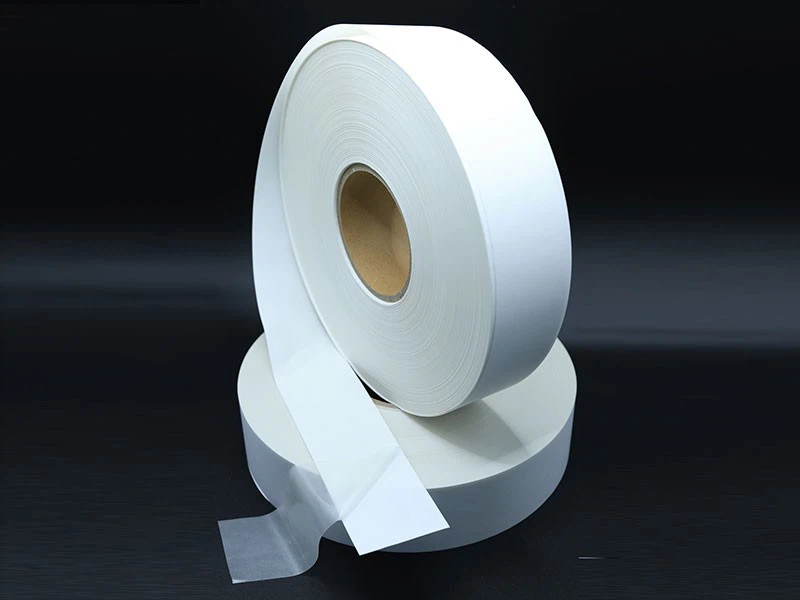
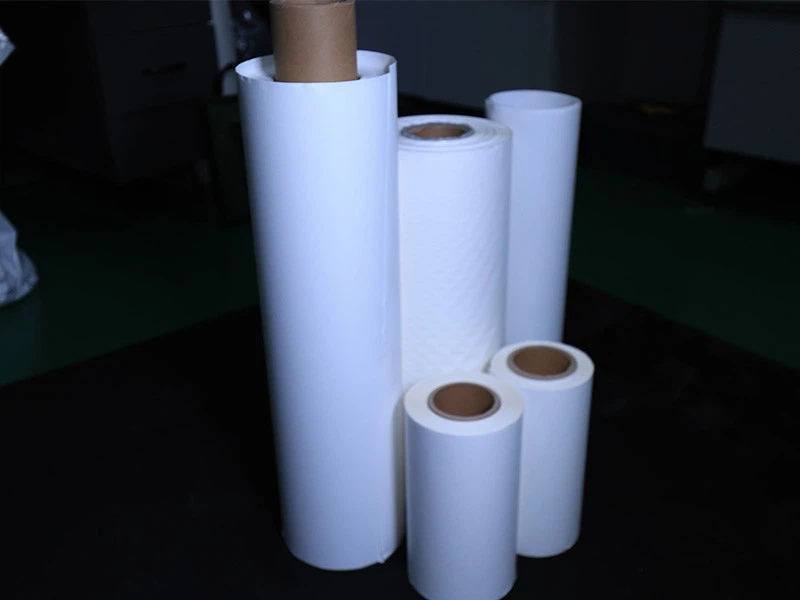
Primers work in different ways. Some primers form a chemical bond with the TPU surface, while others improve the wetting of the adhesive on the film. They can also act as a barrier, preventing any migration of additives from the TPU film that might affect the bonding.
There are different types of primers available, depending on the type of adhesive and the substrate you're bonding to. For example, if you're using a hot - melt adhesive, there are specific primers formulated to enhance the bond between the TPU film and the hot - melt glue. You can find high - quality hot - melt glue granules at Hot Melt Glue Granules. Make sure to choose a primer that is compatible with both the TPU film and the adhesive you'll be using.
4. Chemical Etching
Chemical etching involves using a chemical solution to remove a thin layer of the TPU surface. This creates a rougher surface with more peaks and valleys, which provides better mechanical interlocking with the adhesive.
The choice of chemical depends on the type of TPU. For example, some solvents can be used to etch the surface slightly, but you need to be careful as using the wrong chemical can damage the TPU film. Chemical etching can be a bit more challenging to control compared to other surface treatments, but when done correctly, it can significantly improve adhesion.
However, chemical etching also has some drawbacks. It can be time - consuming, and the chemicals used may be hazardous, so proper safety precautions need to be taken.
5. Flame Treatment
Flame treatment is a relatively old - school method but is still effective for improving the adhesion of TPU thin films. It involves passing the film quickly through a flame. The heat from the flame oxidizes the TPU surface, increasing its surface energy.
Flame treatment is fast and can be integrated into a high - speed production line. It can also clean the surface by burning off any contaminants. But it requires careful control of the flame intensity and the exposure time. If the flame is too hot or the exposure is too long, it can damage the TPU film.
Factors to Consider When Choosing a Surface Treatment
When deciding which surface treatment to use for your TPU thin films, there are several factors to keep in mind.
- Cost: Some treatments, like corona treatment, are relatively inexpensive and can be easily incorporated into the production process. On the other hand, plasma treatment may require more expensive equipment and maintenance.
- Production Speed: If you have a high - volume production line, you'll need a surface treatment that can keep up with the speed. Flame treatment and corona treatment are generally faster compared to chemical etching.
- Compatibility with Adhesive and Substrate: Different surface treatments may work better with specific adhesives and substrates. For example, a primer coating may be more suitable for a particular type of hot - melt adhesive, while plasma treatment may enhance the bond with a certain type of fabric substrate.
Conclusion
Improving the adhesion of TPU thin films is crucial for many applications, whether it's in the automotive, textile, or electronics industry. By using the right surface treatment, you can ensure a strong and durable bond between the TPU film and other materials.
As a TPU thin film supplier, I'm always here to help you choose the best surface treatment for your specific needs. If you're interested in purchasing our high - quality TPU thin films or have any questions about surface treatments and bonding, don't hesitate to reach out. We can discuss your project requirements and find the perfect solution for you.
References
- Mittal, K. L. (Ed.). (2018). Adhesion Promotion Techniques: Chemistry and Technology. CRC Press.
- Wicks, Z. W., Jones, F. N., & Pappas, S. P. (2012). Organic Coatings: Science and Technology. Wiley.
- Bikerman, J. J. (1970). Adhesion and Adhesives: An Introduction. Springer.