


Hot Melt Adhesive Film Bonding Of Epoxy Materials
Epoxy materials are widely used in many fields due to their excellent mechanical properties, chemical corrosion resistance, and electrical insulation. However, in practical applications, it is often necessary to connect epoxy materials to other materials or to themselves...
- Fast Delievery
- Quality Assurance
- 24/7 Customer Service
Product Introduction
Introduction
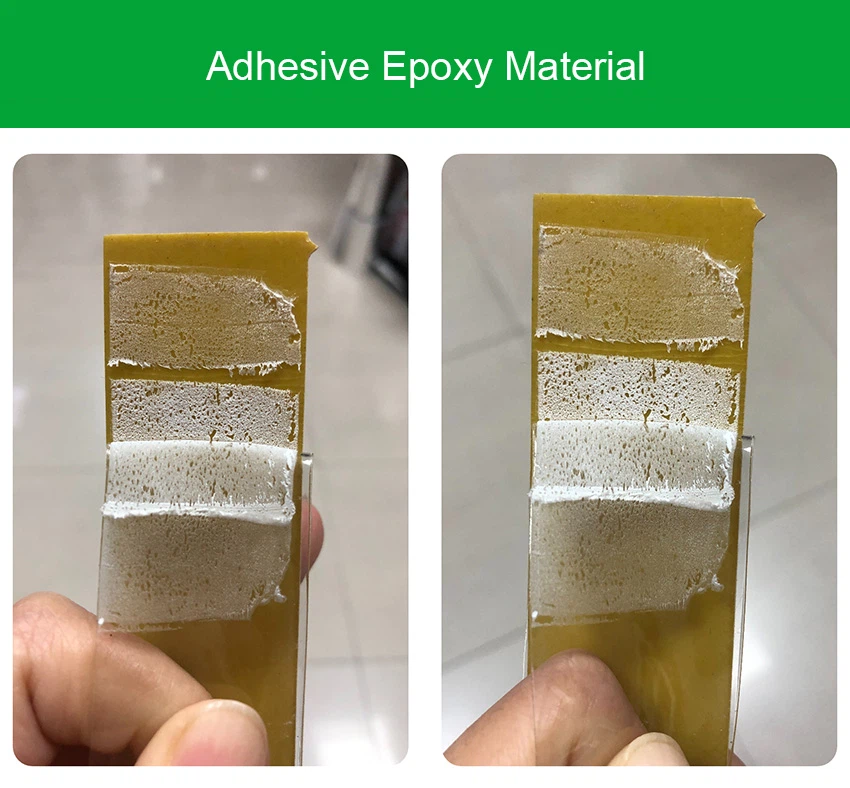
Epoxy materials are widely used in many fields due to their excellent mechanical properties, chemical corrosion resistance, and electrical insulation. However, in practical applications, it is often necessary to connect epoxy materials to other materials or to themselves. At this time, bonding technology becomes particularly important. WT-38 Hot Melt Adhesive Film Bonding of Epoxy Materials as an efficient bonding material, provides a reliable solution for the connection of epoxy materials.
Product description
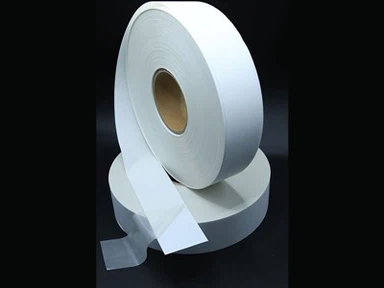
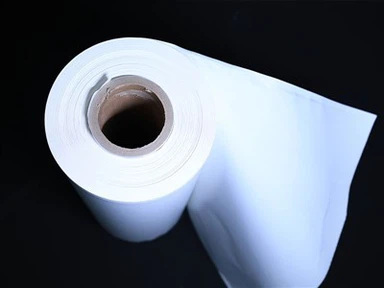
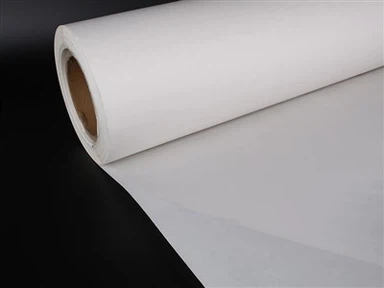
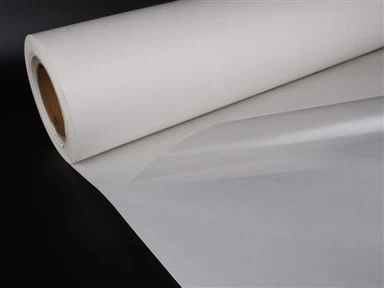
Hot - Melt Adhesive Film
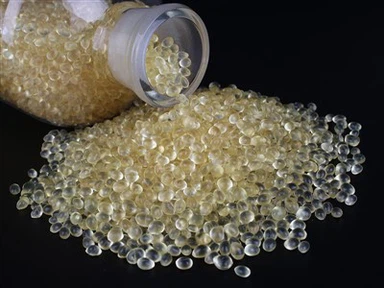
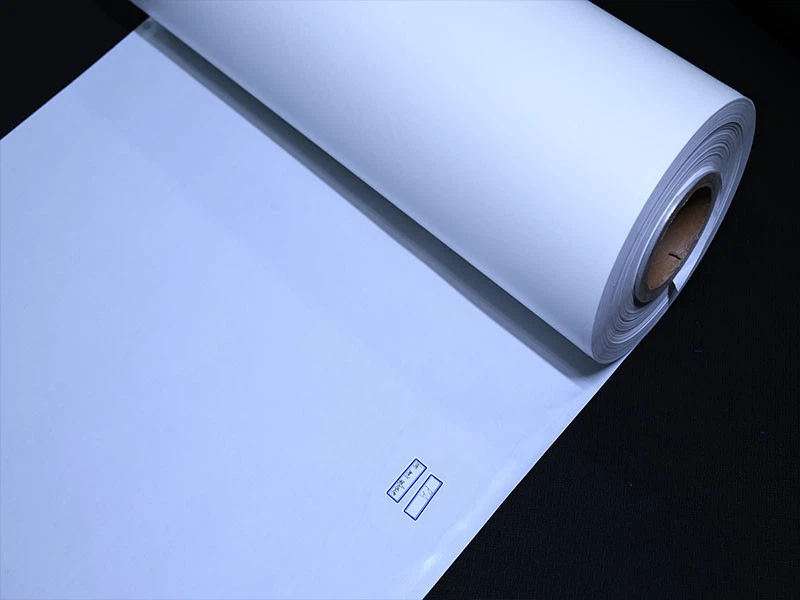
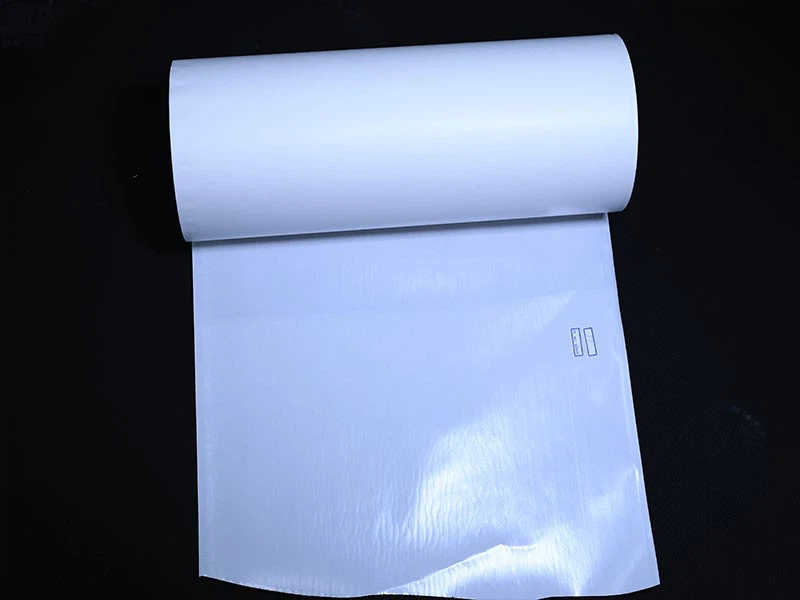
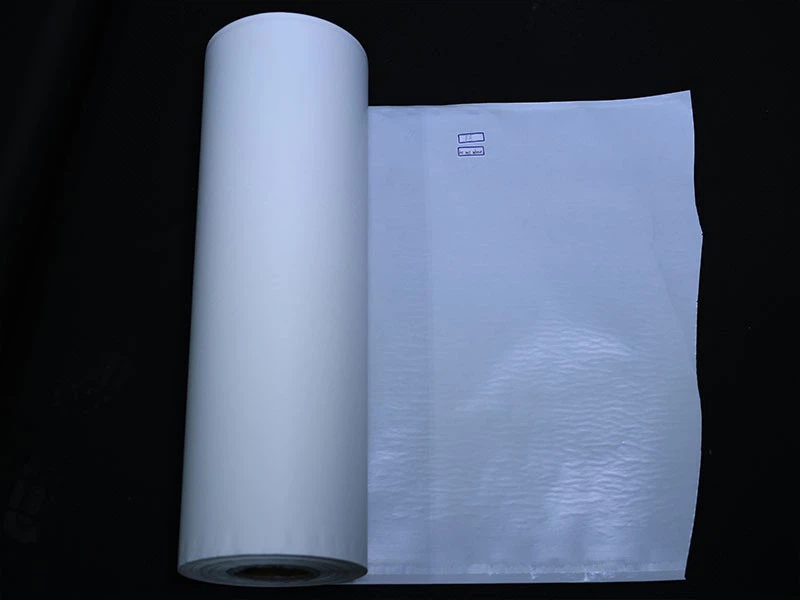
Hot - melt adhesive film is an adhesive that melts when heated to a certain temperature and can quickly solidify to form a strong bond after cooling. It is usually composed of thermoplastic polymers, tackifiers, antioxidants, and other components. Different types of hot - melt adhesive films have different base polymers, such as polyester, polyamide, ethylene - vinyl acetate copolymer (EVA), etc., which endow them with different performance characteristics to adapt to different application scenarios.
Epoxy Materials
Epoxy materials are polymer materials with a three - dimensional network structure formed by adding curing agents, fillers, and other additives to an epoxy resin matrix and undergoing a curing reaction. Epoxy materials have advantages such as high strength, high modulus, good dimensional stability, and chemical corrosion resistance, and play a key role in industries such as aerospace, electronics, and automotive manufacturing.
Principle of Hot - Melt Adhesive Film Bonding Epoxy Materials
When the hot - melt adhesive film is heated above its melting point, the polymer molecular chains in the film begin to move, and the film becomes liquid, with good fluidity and wettability. At this time, when it is bonded to the epoxy material, the hot - melt adhesive film can quickly spread on the surface of the epoxy material and entangle with the molecules on the surface of the epoxy material through intermolecular diffusion and penetration. When the temperature drops, the hot - melt adhesive film solidifies, and the movement ability of the molecular chains decreases, forming stable chemical bonds and physical cross - linking points, thus achieving a strong bond with the epoxy material. This bonding process includes both physical adsorption and chemical bonding, resulting in high bonding strength.
Technical Parameter
|
Physical property |
Performance Index |
Units |
Testing Method |
|
Melting Point |
105±5 |
℃ |
ISO6351 |
|
Softening Point(Ring and Ball) |
140±5 |
℃ |
Ring and Ball |
|
Viscosity (180℃) |
12.7×10⁴ |
Mpa.s |
180℃ |
Bonding Process
Surface Treatment
Proper surface treatment of epoxy materials before bonding is crucial. Commonly used surface treatment methods include mechanical grinding, chemical cleaning, etc. Mechanical grinding can remove impurities such as oil stains and release agents on the surface of epoxy materials, and at the same time increase the surface roughness, improving the mechanical interlocking force between the hot - melt adhesive film and the epoxy material. Chemical cleaning can form active groups on the surface of epoxy materials through chemical reactions, enhancing the chemical bonding ability with the hot - melt adhesive film.
Gluing and Bonding
Cut the hot - melt adhesive film into an appropriate size and place it on the part of the epoxy material to be bonded. Then, heat it through a heating device (such as a hot press, heating roller, etc.) to melt the hot - melt adhesive film and evenly distribute it on the surface of the epoxy material. During the heating process, process parameters such as temperature, pressure, and time should be well controlled. If the temperature is too low, the hot - melt adhesive film cannot be fully melted, affecting the bonding effect; if the temperature is too high, the hot - melt adhesive film may degrade or the performance of the epoxy material may be damaged. The application of pressure helps the hot - melt adhesive film to better wet the surface of the epoxy material, expel air bubbles, and improve the bonding quality. The bonding time should be sufficient to ensure that the hot - melt adhesive film and the epoxy material are in full contact and complete the intermolecular interaction.
Curing
After bonding, stop heating and let the hot - melt adhesive film cool and solidify naturally at room temperature, or use an appropriate cooling method (such as air cooling, water cooling) to accelerate the curing process. During the curing process, the hot - melt adhesive film gradually changes from a liquid state to a solid state, forming a stable bonding joint.
Products Advantage
Easy to Operate
The bonding process of hot - melt adhesive film does not require complex equipment and processes, and can be completed with a simple heating device. Compared with traditional liquid adhesives, there is no need for cumbersome steps such as preparation and brushing, which greatly improves production efficiency.
Good Environmental Performance
Hot - Melt Adhesive Film Bonding Epoxy Materials does not contain organic solvents during use and does not volatilize harmful gases, which is environmentally friendly. At the same time, its curing process does not require the addition of additional curing agents, reducing the use of chemical substances and reducing potential harm to the health of operators.
High Bonding Strength
As mentioned above, the bonding between the hot - melt adhesive film and the epoxy material includes both physical adsorption and chemical bonding, and can form a high - strength bonding joint, meeting the requirements of bonding strength for various engineering applications.
Good Weather Resistance and Chemical Corrosion Resistance
The bonding layer formed after the hot - melt adhesive film is cured has good weather resistance and chemical corrosion resistance, and can maintain stable bonding performance under different environmental conditions, ensuring the reliability of epoxy materials during long - term use.
Conclusion
The bonding of epoxy materials with hot - melt adhesive film is an efficient and reliable connection technology, with many advantages such as easy operation, good environmental performance, high bonding strength, and excellent weather resistance and chemical corrosion resistance. With the continuous development of materials science and bonding technology, the application prospect of hot - melt adhesive film in the field of epoxy material bonding will be broader, and it is expected to provide strong support for product manufacturing and performance improvement in more industries.


Hot Tags: hot melt adhesive film bonding of epoxy materials, China hot melt adhesive film bonding of epoxy materials manufacturers, suppliers, factory, hot melt film for corn husk bonding, pa film for memo pad making, hot melt pa film for model making, polyamide hot melt film for gift wrapping, polyamide hot melt film for ribbon decoration, hot melt pa film for handicrafts