

Are pes hot melt granules compatible with ceramic materials?
Jun 20, 2025
Hey there! As a supplier of PES hot melt granules, I often get asked about the compatibility of these granules with ceramic materials. It's a topic that's super relevant, especially when you're looking at various bonding applications in different industries. So, let's dive right in and explore whether PES hot melt granules are a good match for ceramics.
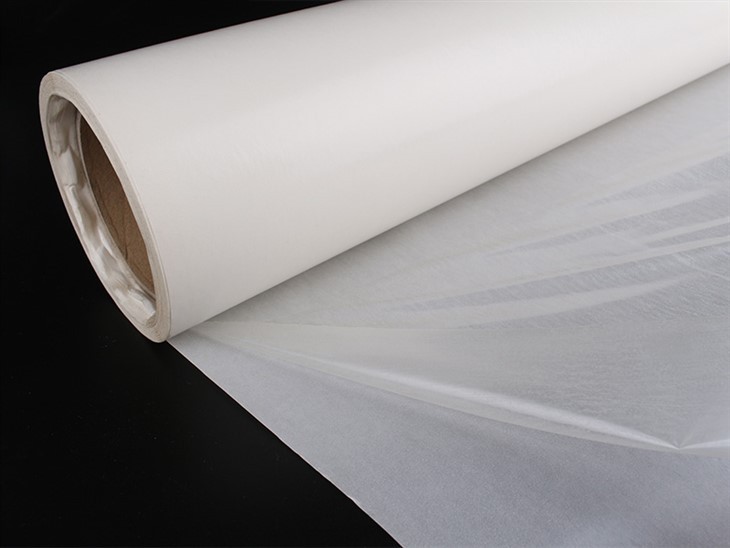
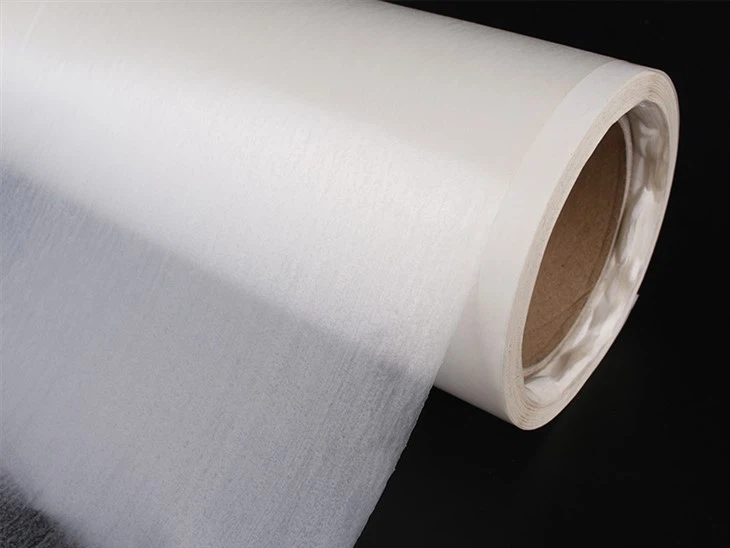
First off, let's understand what PES hot melt granules are. PES stands for Polyethersulfone. These granules are known for their high - performance properties. They have excellent thermal stability, chemical resistance, and mechanical strength. When heated, they melt and can be used to bond different materials together. They're used in a wide range of applications, from electronics to automotive, and even in some high - end consumer products.
Now, onto ceramics. Ceramics are inorganic, non - metallic materials that are made by shaping and then firing them at high temperatures. They come in different types, like alumina ceramics, zirconia ceramics, and silicon carbide ceramics, each with its own set of properties such as high hardness, good wear resistance, and electrical insulation.
So, are PES hot melt granules compatible with ceramic materials? Well, it depends on a few factors.
Adhesion and Surface Energy
One of the key things to consider is adhesion. For a good bond between PES hot melt granules and ceramics, the surface energy of both materials needs to be compatible. Ceramics typically have a high surface energy, but it can vary depending on the type of ceramic and its surface treatment. PES hot melt granules also have their own surface energy characteristics.
When the surface energy of the PES hot melt and the ceramic is well - matched, the molten PES can wet the ceramic surface effectively. Wetting is crucial because it allows the adhesive to spread out and form a strong bond. If the wetting is poor, the bond strength will be weak, and the joint may fail under stress.
Some ceramic surfaces might need pre - treatment to improve the adhesion. For example, cleaning the ceramic surface to remove any contaminants like dust, grease, or oxides can make a big difference. Sometimes, a surface treatment like plasma treatment can be used to increase the surface energy of the ceramic, making it more receptive to the PES hot melt.
Thermal Expansion Mismatch
Another important factor is the thermal expansion coefficient. Different materials expand and contract at different rates when the temperature changes. Ceramics generally have a low thermal expansion coefficient, while PES hot melt granules have their own thermal expansion behavior.
During the cooling process after the PES hot melt has been applied and solidified, if there's a significant difference in the thermal expansion coefficients between the ceramic and the PES, it can create internal stresses in the bond. These stresses can lead to cracking or debonding over time, especially if the bonded part is exposed to temperature fluctuations.
However, some PES formulations can be engineered to have a more compatible thermal expansion coefficient with certain ceramics. By carefully selecting the right PES grade and optimizing the bonding process, the impact of thermal expansion mismatch can be minimized.
Chemical Compatibility
Chemical compatibility is also a consideration. Ceramics are generally chemically stable, but they can react with certain substances under specific conditions. PES hot melt granules are resistant to many chemicals, but it's still important to ensure that there are no chemical reactions between the two materials that could degrade the bond.
For example, if the ceramic contains certain metal oxides and the PES has some reactive functional groups, there could be a chemical interaction. This interaction might weaken the bond or cause discoloration over time. Understanding the chemical composition of both the ceramic and the PES hot melt is essential to avoid such issues.
Bonding Strength and Application Requirements
The required bonding strength is another aspect. Different applications have different demands for bond strength. In some cases, a relatively weak bond might be sufficient, like in decorative applications where the joint doesn't need to withstand high loads. But in industrial applications such as in the aerospace or automotive industries, a high - strength bond is crucial.
PES hot melt granules can provide good bonding strength when the right conditions are met. The bonding strength can be influenced by factors like the bonding temperature, pressure, and the amount of PES used. For example, increasing the bonding pressure can help to improve the contact between the PES and the ceramic, leading to a stronger bond.
Case Studies and Applications
There are several real - world applications where PES hot melt granules are used with ceramic materials. In the electronics industry, PES hot melt can be used to bond ceramic substrates to other components. The high - temperature stability of PES is beneficial in this case, as electronic devices often generate heat during operation.
In the automotive industry, PES hot melt - bonded ceramic parts can be used in engine components or exhaust systems. The chemical resistance of PES helps to protect the ceramic from the harsh chemicals and high - temperature gases in these environments.
Other Hot Melt Options
If you're still not sure if PES hot melt granules are the right choice for your ceramic bonding application, there are other hot melt options available. For example, Nylon Hot Melt Adhesive Film offers good flexibility and impact resistance. Polyurethane TPU Hot Melt Adhesive Film is known for its high - strength bonding and good elasticity. And Polyolefin PO Hot Melt Adhesive Film provides good chemical resistance and low - temperature flexibility.
Conclusion
In conclusion, PES hot melt granules can be compatible with ceramic materials, but it requires careful consideration of factors like adhesion, thermal expansion, chemical compatibility, and the specific application requirements. With the right surface treatment, proper bonding process, and selection of the appropriate PES grade, a strong and reliable bond can be achieved between PES hot melt and ceramics.
If you're working on a project that involves bonding ceramic materials and you're considering using PES hot melt granules, I'd love to have a chat. Whether you need more information about the compatibility, want to discuss the best way to pre - treat your ceramic surfaces, or are interested in samples of our PES hot melt granules, don't hesitate to reach out. We can work together to find the perfect solution for your bonding needs.
References
- "Adhesion Science and Engineering: Volume 2: Surfaces, Chemistry and Applications" by K. L. Mittal
- "Ceramics: Science and Technology" by J. B. Wachtman Jr.
- "Handbook of Adhesive Technology" by A. Pizzi and K. L. Mittal