

How to ensure the uniform bonding of pp hot melt adhesive film?
Jun 20, 2025
As a supplier of pp hot melt adhesive film, ensuring the uniform bonding of our products is of utmost importance. Uniform bonding not only guarantees the quality and performance of the final products but also enhances customer satisfaction. In this blog post, I will share some key strategies and considerations on how to ensure the uniform bonding of pp hot melt adhesive film.
Understanding the Properties of PP Hot Melt Adhesive Film
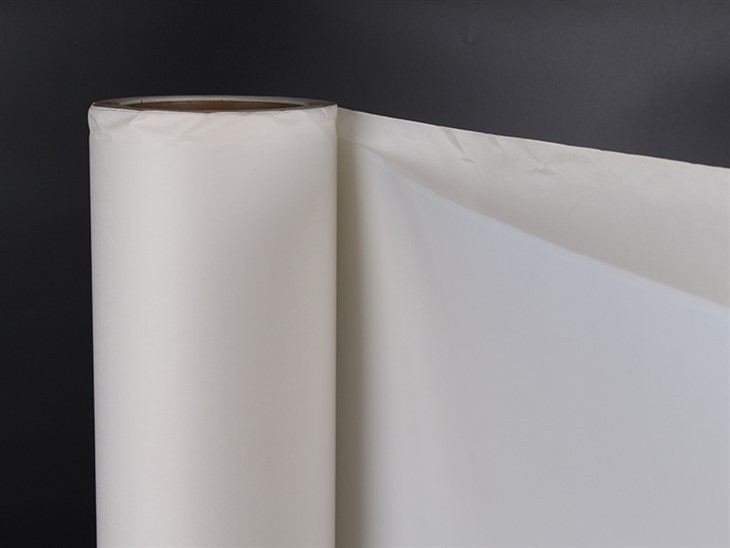
Before delving into the bonding process, it is essential to have a good understanding of the properties of pp hot melt adhesive film. PP hot melt adhesive film is made from polypropylene, which is a thermoplastic polymer known for its excellent chemical resistance, high melting point, and good adhesion properties. These properties make it suitable for a wide range of applications, including textile lamination, packaging, and automotive interiors.
The melting point of pp hot melt adhesive film typically ranges from 120°C to 160°C, depending on the specific formulation. When heated above its melting point, the film becomes fluid and can adhere to various substrates. However, it is important to note that the bonding strength and uniformity can be affected by factors such as temperature, pressure, and the surface properties of the substrates.
Surface Preparation
One of the most critical steps in ensuring uniform bonding is proper surface preparation. The surfaces to be bonded should be clean, dry, and free of any contaminants such as dust, oil, or grease. Contaminants can prevent the adhesive from wetting the surfaces properly, leading to poor adhesion and uneven bonding.
To clean the surfaces, you can use a suitable solvent or cleaning agent. For example, if the substrates are made of metal, you can use a degreaser to remove any oil or grease. If the substrates are made of plastic or textile, you can use a mild detergent and water to clean the surfaces. After cleaning, make sure to dry the surfaces thoroughly before applying the pp hot melt adhesive film.
In addition to cleaning, it may also be necessary to roughen the surfaces to improve the adhesion. This can be done by sanding the surfaces lightly with sandpaper or using a chemical treatment to etch the surfaces. Roughening the surfaces increases the surface area available for the adhesive to bond, resulting in stronger and more uniform bonding.
Temperature Control
Temperature is another crucial factor that affects the bonding process. The pp hot melt adhesive film needs to be heated to its melting point to become fluid and adhere to the substrates. However, if the temperature is too high, the adhesive may degrade or burn, resulting in poor adhesion and uneven bonding. On the other hand, if the temperature is too low, the adhesive may not melt completely, leading to weak bonding.
To ensure uniform bonding, it is important to control the temperature accurately during the bonding process. This can be achieved by using a temperature-controlled heating device such as a hot press or a heat gun. The heating device should be set to the appropriate temperature based on the melting point of the pp hot melt adhesive film and the requirements of the application.
It is also important to monitor the temperature during the bonding process to ensure that it remains within the specified range. This can be done using a temperature sensor or a thermocouple. If the temperature deviates from the specified range, adjustments should be made immediately to prevent any issues with the bonding.
Pressure Application
Applying the right amount of pressure is essential for achieving uniform bonding. Pressure helps to spread the adhesive evenly across the surfaces and ensures good contact between the adhesive and the substrates. Without sufficient pressure, the adhesive may not bond properly, resulting in weak spots and uneven bonding.
The amount of pressure required depends on the type of substrates, the thickness of the pp hot melt adhesive film, and the bonding area. In general, a pressure of 1-5 MPa (10-50 bar) is recommended for most applications. However, it is important to note that too much pressure can also cause problems such as squeezing out the adhesive or damaging the substrates.
To apply the pressure, you can use a press or a roller. A press is suitable for bonding large areas or thick substrates, while a roller is more suitable for bonding small areas or thin substrates. When using a press, make sure to apply the pressure evenly across the bonding area to ensure uniform bonding. When using a roller, make sure to roll the roller back and forth several times to ensure good contact between the adhesive and the substrates.

Bonding Time
The bonding time is another important factor that affects the bonding process. The pp hot melt adhesive film needs to be heated and pressed for a sufficient amount of time to allow the adhesive to flow and bond to the substrates properly. If the bonding time is too short, the adhesive may not bond completely, resulting in weak bonding. On the other hand, if the bonding time is too long, the adhesive may degrade or burn, resulting in poor adhesion and uneven bonding.
The bonding time depends on the type of substrates, the thickness of the pp hot melt adhesive film, the temperature, and the pressure. In general, a bonding time of 10-60 seconds is recommended for most applications. However, it is important to note that the bonding time may need to be adjusted based on the specific requirements of the application.
Quality Control
To ensure the uniform bonding of pp hot melt adhesive film, it is important to implement a quality control system. This can include regular inspections of the bonded products to check for any defects such as weak spots, uneven bonding, or delamination. You can use various inspection methods such as visual inspection, peel testing, and shear testing to evaluate the quality of the bonding.
If any defects are found, it is important to identify the root cause and take corrective actions to prevent similar issues from occurring in the future. This may involve adjusting the bonding parameters such as temperature, pressure, or bonding time, or improving the surface preparation process.
Conclusion
Ensuring the uniform bonding of pp hot melt adhesive film requires careful consideration of various factors such as surface preparation, temperature control, pressure application, bonding time, and quality control. By following these strategies and considerations, you can achieve strong and uniform bonding, resulting in high-quality products and satisfied customers.
If you are interested in purchasing our pp hot melt adhesive film or have any questions about the bonding process, please feel free to contact us for further discussion and procurement negotiation. We are committed to providing you with the best products and services to meet your needs.
References
- ASTM D903 - Standard Test Method for Peel or Stripping Strength of Adhesive Bonds
- ISO 4587 - Adhesives - Determination of Tensile Lap - Shear Strength of Rigid - to - Rigid Bonded Assemblies
- Adhesive Tape For Laminating The Polyester Fiber Fabric. /pa - hot - melt - adhesive - film/adhesive - tape - for - laminating - the - polyester.html
- Ultra Thin Adhesive Film. /tpu - thin - film/ultra - thin - adhesive - film.html
- PVC Sticking Hot Melt Adhesive Film. /pes - hot - melt - adhesive - film/pvc - sticking - hot - melt - adhesive - film.html