

Can hot melt glue granules be used for electronics?
Nov 25, 2025
Hey there! As a hot melt glue granules supplier, I often get asked if these little wonders can be used for electronics. Well, let's dive right into it and find out!
First off, what are hot melt glue granules? They're basically solid chunks of adhesive that, when heated up, turn into a liquid that can stick things together. They're super versatile and are used in all sorts of industries, from packaging to woodworking. But electronics? That's a whole different ballgame.
The Basics of Using Hot Melt Glue Granules in Electronics
When it comes to electronics, we need to think about a few key factors. One of the most important things is electrical conductivity. You don't want your glue to conduct electricity because that could cause short - circuits and mess up your electronic device. Most hot melt glue granules are non - conductive, which is a huge plus. This means they can be used to hold components in place without creating unwanted electrical connections.
Another factor is heat resistance. Electronics can get pretty hot, especially when they're running for long periods. The glue needs to be able to withstand the heat without melting or losing its adhesive properties. Some of the high - quality hot melt glue granules we supply are designed to have excellent heat resistance. They can handle temperatures that are commonly encountered in electronic devices, ensuring a long - lasting bond.
Advantages of Using Hot Melt Glue Granules in Electronics
There are several advantages to using hot melt glue granules in electronics. First, they're easy to use. You just heat them up, apply them where you need them, and they'll cool down and harden quickly. This makes the assembly process much faster compared to other types of adhesives that might require curing time.
Second, they provide a strong bond. Whether you're attaching a small circuit board component or a larger part, hot melt glue can hold it firmly in place. This is crucial for the stability and reliability of electronic devices.
Third, they're clean. Unlike some liquid adhesives that can drip or spread in unwanted areas, hot melt glue can be applied precisely. You can control where it goes, which is important when working with delicate electronic components.
Disadvantages and Challenges
Of course, there are also some challenges. One of the main issues is that hot melt glue can become brittle over time. This might be a problem in applications where the device is subject to vibration or mechanical stress. The brittle glue could crack, causing the bond to fail.
Another challenge is that removing hot melt glue can be difficult. If you need to disassemble an electronic device for repair or recycling, getting rid of the glue can be a hassle. But with the right tools and techniques, it's still possible.
Applications in Electronics
Hot melt glue granules have a wide range of applications in electronics. They can be used to secure wires and cables. You can use them to keep wires organized and prevent them from moving around, which could cause damage or interference.
They're also great for attaching battery packs. The glue can hold the battery in place securely, ensuring a stable power supply.
In the production of printed circuit boards (PCBs), hot melt glue can be used to hold components in place during the soldering process. This helps to prevent components from shifting and ensures accurate soldering.
Our Product Range
As a supplier, we offer a variety of hot melt glue granules suitable for electronics. Some of our products are specifically formulated to have enhanced properties for electronic applications. For example, we have link text: Hot Melt Adhesive Film For Bonding The Galvanized Plate which can be used in certain electronic enclosures where bonding to galvanized surfaces is required.
We also have link text: TPU Film for Shoes. Although it might seem out of place at first, this TPU film can be used in some electronic applications where a flexible and durable material is needed, such as in the construction of flexible displays or wearable electronics.
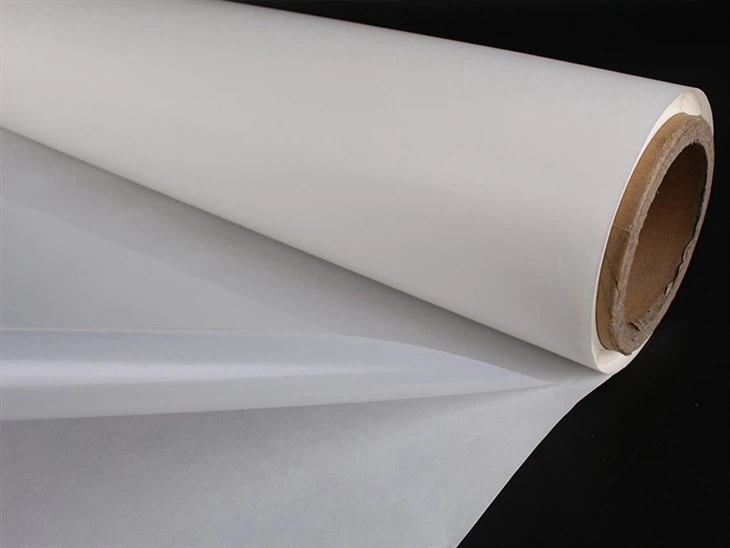

And then there's link text: Hot Melt Adhesive Film For Bonding The Low Density Panel. This can be used to bond low - density panels that are often used in the housing of electronic devices.
Tips for Using Hot Melt Glue Granules in Electronics
If you're planning to use hot melt glue granules in electronics, here are some tips. First, make sure the surfaces you're bonding are clean and dry. Any dirt, grease, or moisture can reduce the effectiveness of the glue.
Second, use the right temperature for melting the glue. If it's too hot, the glue might degrade and lose its properties. If it's too cold, it might not flow properly and won't form a good bond.
Third, test the glue on a small area first. This will help you see how it performs and make any necessary adjustments before applying it to the entire component.
Conclusion
So, can hot melt glue granules be used for electronics? The answer is yes! They offer many advantages such as ease of use, strong bonding, and cleanliness. While there are some challenges, with the right products and techniques, they can be a great choice for electronic applications.
If you're in the electronics industry and are looking for a reliable hot melt glue granules supplier, we'd love to hear from you. We can provide you with high - quality products and expert advice to meet your specific needs. Whether you're a small - scale electronics manufacturer or a large - scale production facility, we're here to help. Contact us to start a conversation about your requirements and let's work together to find the perfect hot melt glue solution for your electronics projects.
References
- "Handbook of Adhesives and Sealants"
- "Electronics Manufacturing Technology"