

How long does it take for hot melt film to bond PVC?
Nov 25, 2025
Hey there! As a supplier of hot melt film for bonding PVC, I often get asked about how long it takes for hot melt film to bond PVC. Well, let's dive right into this topic and explore all the factors that affect the bonding time.
First off, it's important to understand that the bonding time of hot melt film with PVC isn't a one - size - fits - all answer. There are several variables at play here.
1. Type of Hot Melt Film
There are different types of hot melt films available in the market, each with its own characteristics and bonding times. For example, the EVA Based Hot Melt Adhesive is a popular choice. EVA (Ethylene - Vinyl Acetate) based hot melt films generally have a relatively fast bonding time. They can start to form a strong bond within a few seconds to a minute under the right conditions.
On the other hand, some specialized hot melt films designed for high - performance applications might take a bit longer. These films are engineered to provide extremely strong and durable bonds, so they might need a bit more time to fully cure and reach their maximum bonding strength.
2. Temperature
Temperature is a crucial factor when it comes to the bonding time of hot melt film with PVC. Hot melt films work by melting at a certain temperature and then solidifying as they cool down, creating a bond.
If the temperature is too low, the hot melt film won't melt properly, and the bonding process will be slow or might not even happen at all. On the contrary, if the temperature is too high, it can damage the PVC material or cause the hot melt film to degrade.
Typically, for most common hot melt films used for bonding PVC, the optimal melting temperature ranges from 120°C to 180°C. At these temperatures, the hot melt film can quickly melt and start bonding with the PVC. Once the film is applied and the heat source is removed, the cooling time also affects the bonding time. In a well - controlled environment with proper ventilation, the film can cool and form a bond within 1 - 5 minutes.
3. Pressure
Applying the right amount of pressure during the bonding process is also essential. Pressure helps to ensure that the hot melt film spreads evenly over the PVC surface and makes good contact, which in turn speeds up the bonding process.
If the pressure is too light, the film might not adhere properly to the PVC, and the bonding will be weak and take longer. On the other hand, excessive pressure can squeeze out too much of the molten hot melt film, leaving gaps and also affecting the quality of the bond.
In a factory setting, specialized bonding machines are often used to apply consistent pressure during the bonding process. With the right pressure, the bonding time can be significantly reduced, sometimes even down to as little as a few seconds for small - scale applications.
4. Surface Condition of PVC
The surface of the PVC material also plays a role in the bonding time. If the PVC surface is dirty, greasy, or has a layer of dust, it can prevent the hot melt film from adhering properly. This will increase the bonding time as the film has to overcome these barriers to form a bond.
Before applying the hot melt film, it's important to clean the PVC surface thoroughly. You can use a mild solvent or a cleaning agent specifically designed for PVC to remove any contaminants. A clean and smooth PVC surface allows the hot melt film to make direct contact and bond more quickly.
Real - World Examples
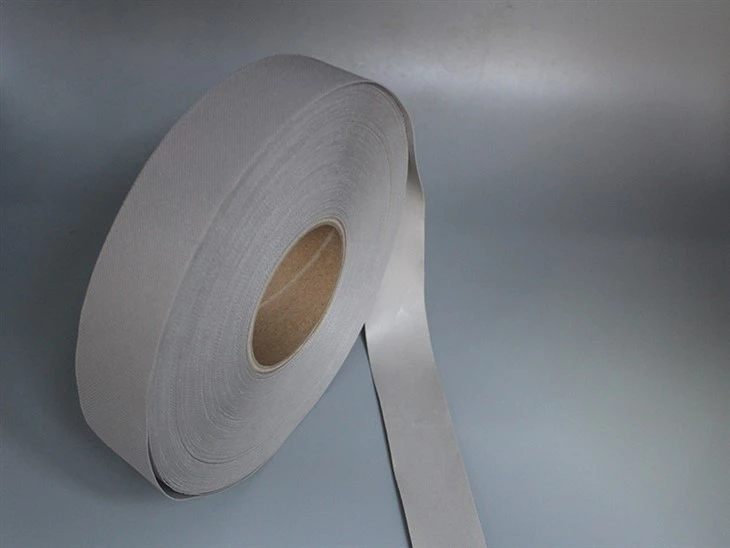
Let's take a look at some real - world scenarios. In a production line where small PVC parts are being bonded using Black Flannel Fabric Adhesive Tape (which is a type of hot melt film), the bonding process is usually very fast. The parts are pre - heated to the appropriate temperature, the adhesive tape is applied, and then a small amount of pressure is applied using a roller. In this case, the bonding can be completed within 2 - 3 seconds.
For larger PVC sheets or more complex PVC structures, the bonding time might be longer. For example, when bonding a large PVC panel using a high - strength hot melt film, it might take 3 - 5 minutes to ensure a strong and reliable bond. This is because the film needs more time to spread evenly across the large surface area and cool down properly.
How to Optimize the Bonding Time
If you're looking to reduce the bonding time of hot melt film with PVC, here are some tips:

- Choose the right hot melt film: Select a film that is specifically designed for PVC bonding and has a fast - bonding property.
- Control the temperature: Use a reliable heating source and monitor the temperature closely to ensure it's within the optimal range.
- Apply the right pressure: Invest in a good bonding machine or tool that can apply consistent pressure during the process.
- Prepare the PVC surface: Clean the PVC surface thoroughly before bonding to ensure optimal adhesion.
Applications of Hot Melt Film for Bonding PVC
Hot melt film for bonding PVC has a wide range of applications. In the automotive industry, it's used to bond PVC trim pieces, interior panels, and electrical components. In the construction industry, it can be used to bond PVC pipes, window frames, and wall coverings.
In the textile industry, Adhesive Flannel Fabric Cloth Tape is often used to bond PVC - coated fabrics, creating a strong and durable bond that can withstand repeated use and washing.
Conclusion
So, how long does it take for hot melt film to bond PVC? As we've seen, it depends on several factors such as the type of hot melt film, temperature, pressure, and the surface condition of the PVC. The bonding time can range from a few seconds to several minutes.
If you're in the market for high - quality hot melt film for bonding PVC, we're here to help. We offer a wide range of hot melt films that are specifically designed for PVC applications. Our products are known for their fast - bonding properties, strong adhesion, and durability.
Whether you're a small - scale manufacturer or a large - scale industrial user, we can provide you with the right solution for your bonding needs. If you're interested in learning more or would like to place an order, feel free to get in touch with us. We're always happy to have a chat and discuss how we can meet your requirements.
References
- "Handbook of Adhesives and Sealants"
- "Plastics Joining Technology"
- Industry reports on hot melt adhesives and PVC bonding