

Can leather hot melt adhesive film be used for bonding leather in a low - temperature environment?
Nov 25, 2025
Leather products have long been cherished for their durability, aesthetic appeal, and versatility. In the manufacturing process of leather goods, bonding is a crucial step, and leather hot melt adhesive film has emerged as a popular choice for this purpose. However, a question often arises: Can leather hot melt adhesive film be used for bonding leather in a low - temperature environment? As a supplier of leather hot melt adhesive film, I am here to delve into this topic and provide you with comprehensive insights.
Understanding Leather Hot Melt Adhesive Film
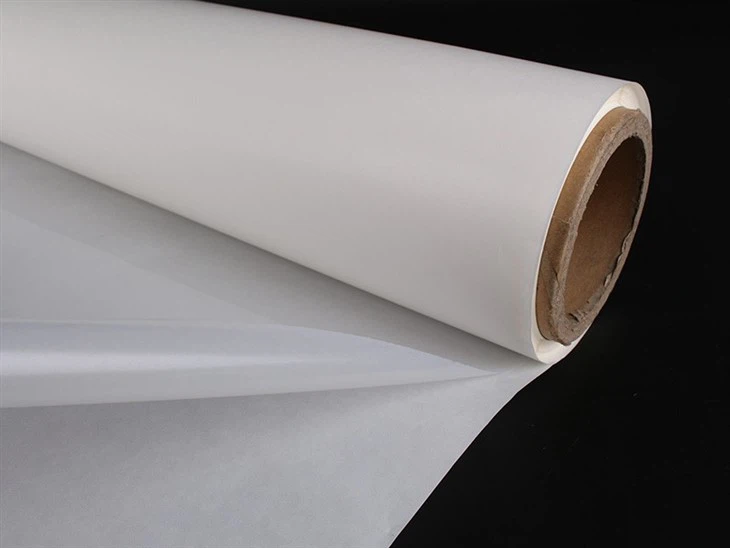
Leather hot melt adhesive film is a thermoplastic material that softens when heated and solidifies upon cooling, creating a strong bond between leather materials. It offers several advantages over traditional adhesives, such as no need for solvents, fast bonding speed, and clean application. There are different types of hot melt adhesive films available in the market, including polyurethane (PU), polyester (PES), and polyamide (PA). Each type has its own unique properties, such as flexibility, heat resistance, and chemical resistance, which make them suitable for various leather bonding applications.
Impact of Low - Temperature Environment on Bonding
A low - temperature environment can significantly affect the performance of leather hot melt adhesive film. When the temperature drops, the adhesive film becomes more rigid and less flexible. This reduced flexibility can make it difficult for the adhesive to flow and wet the leather surface properly during the bonding process. As a result, the bond strength may be compromised, and the adhesive may not adhere firmly to the leather, leading to delamination or weak joints.
In addition, low temperatures can also slow down the melting process of the adhesive film. The time required for the adhesive to reach its optimal bonding temperature may increase, which can disrupt the production workflow and reduce efficiency. Moreover, if the adhesive does not reach its full melting point, it may not form a homogeneous bond, resulting in inconsistent bonding quality.
Adaptability of Leather Hot Melt Adhesive Film to Low - Temperature Conditions
Despite the challenges posed by low - temperature environments, some leather hot melt adhesive films are designed to perform well under such conditions. These low - temperature - resistant adhesive films are formulated with special polymers and additives that can maintain their flexibility and bonding properties at lower temperatures.
For example, certain types of TPU (thermoplastic polyurethane) hot melt adhesive films are known for their excellent low - temperature performance. TPU films can remain flexible even in cold environments, allowing them to bond leather effectively. They have a wide range of melting points, and some low - temperature TPU films can start melting at relatively low temperatures, around 60 - 80 degrees Celsius. This makes them suitable for applications where heat - sensitive leather materials are used or where a low - temperature bonding process is required. You can learn more about TPU Film for Efficient Textile Bonding on our website.
Another option is the use of hot melt adhesive films with flame - retardant properties. These films, such as the Reach UL94V - 0 Flame Retardant Level Hot Melt Adhesive Film, are not only designed to meet strict fire safety standards but also have good low - temperature performance. They can provide a reliable bond even in cold conditions while ensuring the safety of the leather products.
Strategies for Using Leather Hot Melt Adhesive Film in Low - Temperature Environments
If you need to use leather hot melt adhesive film in a low - temperature environment, there are several strategies you can adopt to ensure successful bonding:
- Pre - heating the leather and adhesive film: Before the bonding process, pre - heat the leather and the adhesive film to a suitable temperature. This can help to increase the flexibility of the adhesive and improve its wetting ability on the leather surface. However, care must be taken not to overheat the leather, as this can damage its structure and appearance.
- Adjusting the bonding equipment: Use bonding equipment that can provide sufficient heat and pressure. For example, a heat press with adjustable temperature and pressure settings can be used to ensure that the adhesive film reaches its optimal bonding temperature and forms a strong bond. Additionally, the bonding time may need to be adjusted according to the temperature and the type of adhesive film used.
- Selecting the right adhesive film: Choose a leather hot melt adhesive film that is specifically designed for low - temperature applications. As mentioned earlier, TPU films and flame - retardant films are good options. Consider the properties of the leather, such as its thickness, porosity, and surface texture, when selecting the adhesive film to ensure compatibility.
Case Studies and Real - World Applications
There are many real - world applications where leather hot melt adhesive film has been successfully used in low - temperature environments. For instance, in the production of outdoor leather goods, such as winter boots and gloves, low - temperature - resistant adhesive films are used to bond the leather components. These products need to withstand cold weather conditions, and the use of suitable adhesive films ensures that the bonds remain strong and durable.
In the automotive industry, leather hot melt adhesive film is used for interior leather upholstery. Some vehicles are designed to operate in cold climates, and the adhesive used for bonding the leather must be able to perform well at low temperatures to maintain the integrity of the interior. By using the right type of adhesive film and following proper bonding procedures, manufacturers can ensure high - quality leather bonding even in cold environments.
Conclusion
In conclusion, while a low - temperature environment presents challenges for using leather hot melt adhesive film, it is possible to achieve successful bonding with the right choice of adhesive film and appropriate bonding strategies. As a supplier of leather hot melt adhesive film, we offer a wide range of products, including TPU Film for Efficient Textile Bonding, Reach UL94V - 0 Flame Retardant Level Hot Melt Adhesive Film, and Thermoplastic Laminating Film, which are suitable for various leather bonding applications, including those in low - temperature environments.

If you are interested in learning more about our leather hot melt adhesive films or have specific requirements for your leather bonding projects, we invite you to contact us for further discussion and potential procurement. Our team of experts is ready to provide you with professional advice and support to ensure the success of your leather manufacturing processes.
References
- "Handbook of Adhesives and Sealants" by Henry S. Katz and Allan J. Milewski
- "Adhesive Bonding: Science, Technology, and Applications" by Derek Hull and Terry Clyne