

How does the cooling rate affect the performance of white hot melt adhesive film?
Dec 24, 2025
As a supplier of white hot melt adhesive film, I've witnessed firsthand the critical role that cooling rate plays in determining the performance of this versatile product. In this blog post, I'll delve into the science behind how the cooling rate affects the performance of white hot melt adhesive film, exploring its impact on adhesion strength, flexibility, and other key properties.
Understanding White Hot Melt Adhesive Film
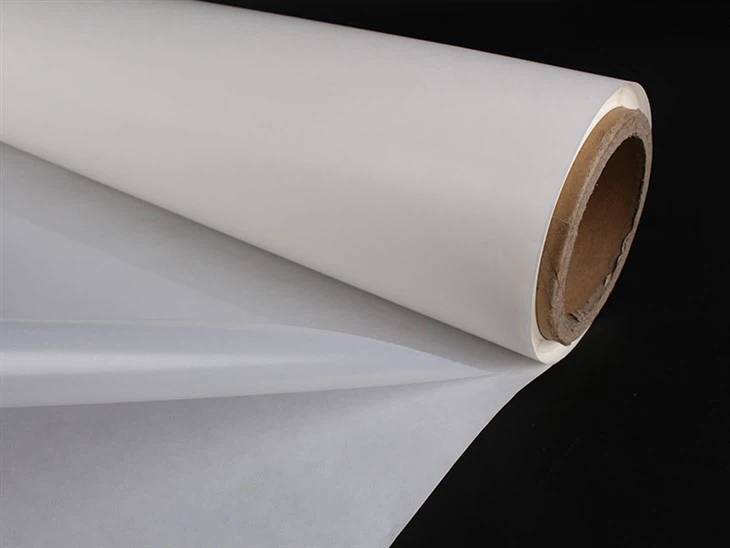
Before we dive into the effects of cooling rate, let's first understand what white hot melt adhesive film is. White hot melt adhesive film is a thermoplastic adhesive that is solid at room temperature. When heated, it melts and becomes a viscous liquid that can be applied to substrates. Once cooled, it solidifies again, creating a strong bond between the substrates.
White hot melt adhesive film is widely used in various industries, including packaging, textiles, automotive, and electronics, due to its excellent adhesion, fast bonding speed, and ease of use. It can be used to bond a wide range of materials, such as paper, plastic, metal, and fabric.
The Role of Cooling Rate
The cooling rate of white hot melt adhesive film refers to the speed at which the molten adhesive cools and solidifies after being applied to the substrates. This rate can have a significant impact on the performance of the adhesive film, as it affects the crystallization process, molecular structure, and physical properties of the adhesive.
Adhesion Strength
One of the most important performance indicators of white hot melt adhesive film is its adhesion strength. The cooling rate can influence the adhesion strength in several ways.
When the cooling rate is too fast, the adhesive may solidify before it has fully wet the substrates. This can result in poor adhesion, as the adhesive may not be able to form strong intermolecular bonds with the substrates. On the other hand, if the cooling rate is too slow, the adhesive may have too much time to flow and spread, which can lead to a thinner bond line and reduced adhesion strength.
Optimal cooling rates allow the adhesive to wet the substrates properly and form a strong bond. During the cooling process, the adhesive molecules gradually arrange themselves into a more ordered structure, which enhances the intermolecular forces between the adhesive and the substrates. This results in a stronger and more durable bond.
Flexibility and Toughness
The cooling rate also affects the flexibility and toughness of white hot melt adhesive film. A fast cooling rate can cause the adhesive to solidify quickly, resulting in a more brittle structure. This can make the adhesive film more prone to cracking or breaking under stress, especially in applications where flexibility is required.
In contrast, a slower cooling rate allows the adhesive molecules more time to move and rearrange, resulting in a more flexible and tough structure. This makes the adhesive film better able to withstand bending, stretching, and other types of mechanical stress without losing its bond strength.
Crystallization and Shrinkage
The cooling rate can also influence the crystallization process of white hot melt adhesive film. Crystallization is the process by which the adhesive molecules arrange themselves into a regular, repeating pattern as they cool. The degree of crystallization can affect the physical properties of the adhesive, such as its hardness, stiffness, and melting point.
A fast cooling rate can suppress crystallization, resulting in an amorphous or semi - crystalline structure. This can lead to a more flexible and lower - melting - point adhesive. Conversely, a slow cooling rate promotes crystallization, resulting in a more crystalline structure with higher hardness, stiffness, and melting point.
In addition, the cooling rate can affect the shrinkage of the adhesive film during solidification. A fast cooling rate can cause the adhesive to shrink more rapidly, which may lead to internal stresses and warping of the bonded substrates. A slower cooling rate allows for more uniform shrinkage, reducing the risk of these issues.
Controlling the Cooling Rate
As a supplier of white hot melt adhesive film, we understand the importance of controlling the cooling rate to achieve optimal performance. There are several methods that can be used to control the cooling rate, depending on the application and the specific requirements of the adhesive film.
Air Cooling
Air cooling is one of the most common methods for cooling white hot melt adhesive film. It involves blowing air over the bonded substrates to dissipate heat and accelerate the cooling process. The speed of the air flow and the temperature of the air can be adjusted to control the cooling rate.
Water Cooling
Water cooling is another effective method for controlling the cooling rate. It involves immersing the bonded substrates in water or spraying water on them to remove heat quickly. Water cooling can achieve a faster cooling rate than air cooling, but it may also require additional drying steps to remove any residual moisture.
Insulation and Heating
In some cases, it may be necessary to slow down the cooling rate to achieve the desired properties of the adhesive film. This can be done by using insulation materials to reduce heat transfer or by applying additional heat to the bonded substrates during the cooling process.
Applications and Considerations
The impact of cooling rate on the performance of white hot melt adhesive film varies depending on the specific application. Here are some examples of different applications and the considerations regarding cooling rate:
Packaging Industry
In the packaging industry, white hot melt adhesive film is commonly used to seal cartons, boxes, and bags. For high - speed packaging lines, a fast cooling rate is often required to ensure quick bonding and efficient production. However, care must be taken to ensure that the adhesive has sufficient time to wet the substrates to achieve good adhesion.
Textile Industry
In the textile industry, white hot melt adhesive film is used for bonding fabrics, such as in the production of clothing, shoes, and upholstery. Flexibility is often a key requirement in textile applications, so a slower cooling rate may be preferred to achieve a more flexible and comfortable bond.
Automotive and Electronics Industries
In the automotive and electronics industries, white hot melt adhesive film is used for bonding various components, such as interior trim, electronic devices, and battery packs. High - strength and durability are crucial in these applications, so the cooling rate must be carefully controlled to ensure optimal adhesion and performance.

Related Products
If you're interested in exploring other types of hot melt adhesive films, we offer a variety of products to meet different needs. Check out our Flame Retardant Hot Melt Adhesive Film, which is designed for applications where fire safety is a concern. Our Hot Melt Adhesive Film For Bonding The Kraft Paper is ideal for packaging and paper - related applications, and our Environmental Friendly Hot Melt Adhesive Film For Bonding The Carbon Crystal Plate is suitable for electronics and other industries where environmental protection is important.
Conclusion
In conclusion, the cooling rate plays a crucial role in determining the performance of white hot melt adhesive film. By understanding how the cooling rate affects adhesion strength, flexibility, crystallization, and shrinkage, we can better control the cooling process to achieve optimal performance in different applications.
As a supplier of white hot melt adhesive film, we are committed to providing high - quality products and technical support to our customers. If you have any questions or need further information about our products, or if you're interested in discussing your specific application requirements, please feel free to contact us. We look forward to working with you to find the best adhesive solution for your needs.
References
- "Handbook of Adhesives and Sealants" by Alfred T. DiBenedetto
- "Adhesion Science and Engineering: Surfaces, Chemistry, and Applications" edited by K. L. Mittal
- "Thermoplastic Elastomers: A Comprehensive Review" by John M. Dealy and Kurt F. Wissbrun