

What is the flame - retardant property of pa hot melt adhesive film?
Jul 15, 2025
Flame-retardant properties are crucial in various industries, especially when it comes to materials used in environments where fire safety is a top concern. As a supplier of PA (Polyamide) hot melt adhesive film, understanding and communicating the flame-retardant characteristics of our product is of utmost importance. In this blog post, we'll delve into what the flame-retardant property of PA hot melt adhesive film entails, why it matters, and how it can be beneficial in different applications.
What is PA Hot Melt Adhesive Film?
PA hot melt adhesive film is a type of thermoplastic adhesive in film form. It is made from polyamide polymers, which offer excellent adhesion, flexibility, and chemical resistance. When heated to its melting point, the film becomes sticky and can bond two or more substrates together. Once cooled, it solidifies, creating a strong and durable bond. PA hot melt adhesive film is widely used in industries such as textiles, automotive, electronics, and packaging due to its versatility and high performance.
Understanding Flame-Retardant Properties
Flame-retardant materials are designed to slow down or prevent the spread of fire. They work by either reducing the flammability of the material itself or by creating a barrier that inhibits the transfer of heat and oxygen to the burning area. In the case of PA hot melt adhesive film, flame-retardant additives are incorporated into the polymer matrix during the manufacturing process. These additives can be inorganic compounds, such as metal hydroxides or phosphates, or organic compounds, such as halogenated or non-halogenated flame retardants.
Mechanisms of Flame Retardancy
There are several mechanisms by which flame-retardant additives work in PA hot melt adhesive film:
- Endothermic Decomposition: Some flame retardants decompose endothermically when exposed to heat. This process absorbs energy from the fire, reducing the temperature of the surrounding area and slowing down the combustion process.
- Gas-Phase Inhibition: Certain flame retardants release gases when heated, which can dilute the oxygen concentration in the vicinity of the fire. This reduces the availability of oxygen, making it more difficult for the fire to sustain itself.
- Char Formation: Flame retardants can also promote the formation of a char layer on the surface of the material. This char layer acts as a physical barrier, preventing the transfer of heat and oxygen to the underlying material and protecting it from further combustion.
Importance of Flame-Retardant PA Hot Melt Adhesive Film
The flame-retardant property of PA hot melt adhesive film is essential in many applications where fire safety is a concern. Here are some key reasons why:
Safety in Buildings and Structures
In the construction industry, PA hot melt adhesive film is used for bonding various materials, such as insulation panels, wall coverings, and flooring. Flame-retardant adhesive film can help prevent the spread of fire in case of an emergency, providing valuable time for evacuation and reducing the risk of property damage and loss of life.
Automotive Applications
In the automotive industry, PA hot melt adhesive film is used for interior trim, seat covers, and other components. Flame-retardant adhesive film can enhance the fire safety of vehicles, protecting passengers and reducing the risk of fire-related accidents.
Electronics and Electrical Equipment
PA hot melt adhesive film is also used in the electronics and electrical industry for bonding circuit boards, displays, and other components. Flame-retardant adhesive film can prevent the spread of fire in case of electrical malfunctions, protecting sensitive electronic equipment and reducing the risk of electrical fires.
Testing and Certification
To ensure the flame-retardant performance of PA hot melt adhesive film, it is important to conduct rigorous testing and obtain relevant certifications. Some of the common testing methods and standards for flame retardancy include:
- UL 94: This is a standard for the flammability of plastic materials for parts in devices and appliances. It classifies materials based on their ability to self-extinguish after being ignited.
- ASTM D635: This is a test method for determining the rate of burning and/or extent and time of burning of self-supporting plastics in a horizontal position.
- ISO 3795: This is an international standard for the flammability of interior materials in road vehicles.
As a supplier, we ensure that our PA hot melt adhesive film meets or exceeds these standards, providing our customers with high-quality and reliable products.
Applications of Flame-Retardant PA Hot Melt Adhesive Film
Flame-retardant PA hot melt adhesive film has a wide range of applications in various industries. Here are some examples:
Textile Industry
In the textile industry, flame-retardant PA hot melt adhesive film is used for bonding flame-retardant fabrics, such as those used in protective clothing, curtains, and upholstery. It can also be used for laminating different layers of fabric to create composite materials with enhanced fire safety properties.
Automotive Industry
In the automotive industry, flame-retardant PA hot melt adhesive film is used for interior trim applications, such as headliners, door panels, and seat covers. It can also be used for bonding insulation materials to reduce noise and improve energy efficiency. For more information about hot melt adhesive tape for the automotive industry, you can visit Hot Melt Adhesive Tape For Automotive Industry.
Electronics Industry
In the electronics industry, flame-retardant PA hot melt adhesive film is used for bonding circuit boards, displays, and other components. It can also be used for encapsulating electronic devices to protect them from moisture, dust, and mechanical damage.
Packaging Industry
In the packaging industry, flame-retardant PA hot melt adhesive film is used for sealing and bonding packages that contain flammable or combustible materials. It can help prevent the spread of fire in case of a fire incident during storage or transportation.
Environmental Considerations
In recent years, there has been a growing concern about the environmental impact of flame retardants. Some traditional flame retardants, such as halogenated compounds, have been found to be persistent, bioaccumulative, and toxic (PBT). As a result, there is a trend towards the use of more environmentally friendly flame retardants, such as non-halogenated alternatives.
At our company, we are committed to providing environmentally friendly PA hot melt adhesive film. Our products are formulated with non-halogenated flame retardants that meet strict environmental standards. For more information about our environmental friendly hot melt adhesive film, you can visit Environmental Friendly Hot Melt Adhesive Film For Bonding The Carbon Crystal Plate.
Conclusion
The flame-retardant property of PA hot melt adhesive film is a critical factor in many applications where fire safety is a concern. By incorporating flame-retardant additives into the polymer matrix, PA hot melt adhesive film can slow down or prevent the spread of fire, providing valuable protection for people and property. As a supplier of PA hot melt adhesive film, we are dedicated to providing high-quality products that meet the highest standards of fire safety and environmental performance.
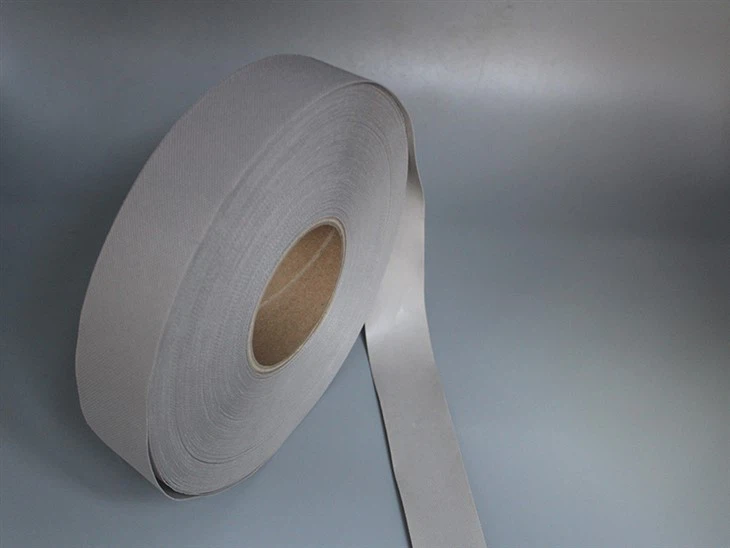

If you are interested in learning more about our flame-retardant PA hot melt adhesive film or would like to discuss your specific application requirements, please feel free to contact us. We look forward to the opportunity to work with you and provide you with the best adhesive solutions for your needs.
References
- "Flame Retardancy of Polymers: Principles and Applications" by Charles A. Wilkie and Eric D. Weil
- "Handbook of Thermoplastic Elastomers" by Bhushan M. Patil and Anil K. Bhowmick
- "Plastics Flammability Handbook: Principles, Regulations, Testing and Approval" by John W. Lyons