

How to make TPU thin film more flexible?
Oct 23, 2025
Hey there! I'm a supplier of TPU thin film, and I've been getting a lot of questions lately about how to make TPU thin film more flexible. So, I thought I'd share some of my insights and tips on this topic.
First off, let's understand what TPU is. TPU, or thermoplastic polyurethane, is a versatile material known for its high elasticity, abrasion resistance, and good chemical resistance. However, in some applications, we might need it to be even more flexible.
1. Selecting the Right TPU Resin
The choice of TPU resin is crucial. Different TPU resins have different hardness levels, which are usually measured on the Shore hardness scale. A lower Shore hardness value indicates a softer and more flexible TPU. For example, if you're using a TPU with a Shore hardness of 90A, it's relatively rigid. But if you switch to a TPU with a Shore hardness of 70A or even lower, say 60A, you'll notice a significant increase in flexibility.
When selecting the resin, also consider its molecular weight. Generally, TPU with a lower molecular weight tends to be more flexible. This is because the shorter polymer chains can move more freely, allowing the material to bend and stretch more easily.
2. Adding Plasticizers
Plasticizers are substances that can be added to TPU to increase its flexibility. They work by reducing the intermolecular forces between the polymer chains in the TPU. This allows the chains to slide past each other more easily, resulting in a more flexible material.
There are various types of plasticizers available, such as adipate - based plasticizers and phthalate - based plasticizers. However, it's important to choose plasticizers that are compatible with TPU. Incompatible plasticizers can cause issues like migration, where the plasticizer moves out of the TPU over time, leading to a loss of flexibility and potentially other problems like surface stickiness.
When adding plasticizers, you need to be careful with the dosage. Too little plasticizer won't have a significant effect on flexibility, while too much can make the TPU too soft and may even affect its mechanical properties, such as its strength and abrasion resistance.
3. Adjusting the Processing Conditions
The way you process the TPU thin film can also have a big impact on its flexibility. For example, during the extrusion process, the temperature and screw speed are important factors.
If the extrusion temperature is too low, the TPU may not melt properly, resulting in a non - uniform structure and reduced flexibility. On the other hand, if the temperature is too high, it can cause degradation of the TPU, which also affects its properties. A proper extrusion temperature should be within the recommended range for the specific TPU resin you're using.
The screw speed also matters. A higher screw speed can lead to better mixing of the TPU and any additives, but it can also generate more shear stress. If the shear stress is too high, it can orient the polymer chains in a way that reduces flexibility. So, you need to find the right balance.
4. Incorporating Blends and Alloys
Blending TPU with other polymers can be an effective way to enhance its flexibility. For example, blending TPU with a soft elastomer like silicone can result in a material with improved flexibility. Silicone has a very low glass transition temperature, which means it remains flexible even at low temperatures.
When creating blends and alloys, it's important to ensure good compatibility between the different polymers. You may need to use compatibilizers to improve the adhesion between the polymer phases. This helps to create a homogeneous material with consistent properties.
5. Post - Processing Treatments
After the TPU thin film is formed, some post - processing treatments can be applied to increase its flexibility. One such treatment is annealing. Annealing involves heating the TPU thin film to a specific temperature and then slowly cooling it. This process helps to relieve internal stresses in the material, which can make it more flexible.
Another post - processing option is stretching. Stretching the TPU thin film in a controlled manner can align the polymer chains in a more favorable way, increasing its flexibility. However, you need to be careful not to over - stretch the film, as this can cause damage to the material.
Related Products
If you're in the business of using TPU thin film or other adhesive films, you might also be interested in some related products. For instance, Metal Hot Melt Adhesive Film is a great option for bonding metal components. It offers strong adhesion and good durability.
TPU Hot Melt Adhesive Film is another product that can be very useful. It combines the flexibility of TPU with the adhesive properties of a hot - melt film, making it suitable for a wide range of applications.
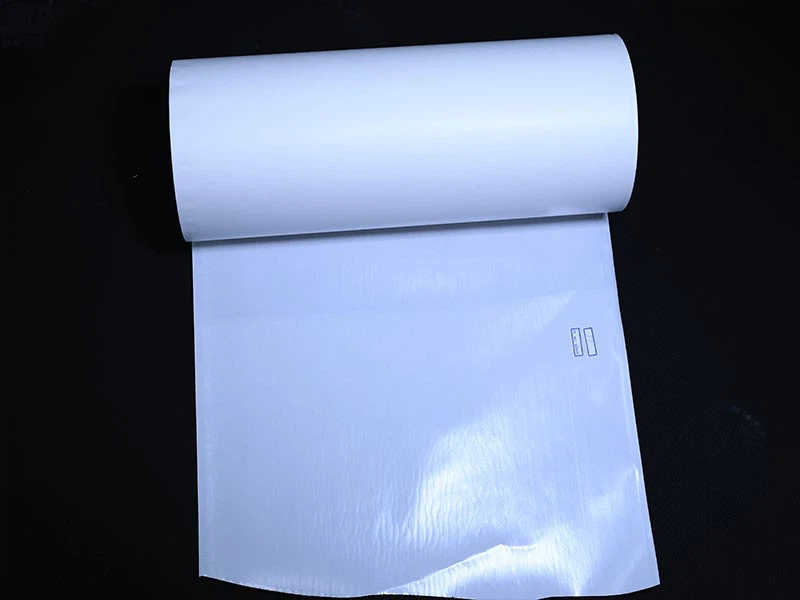
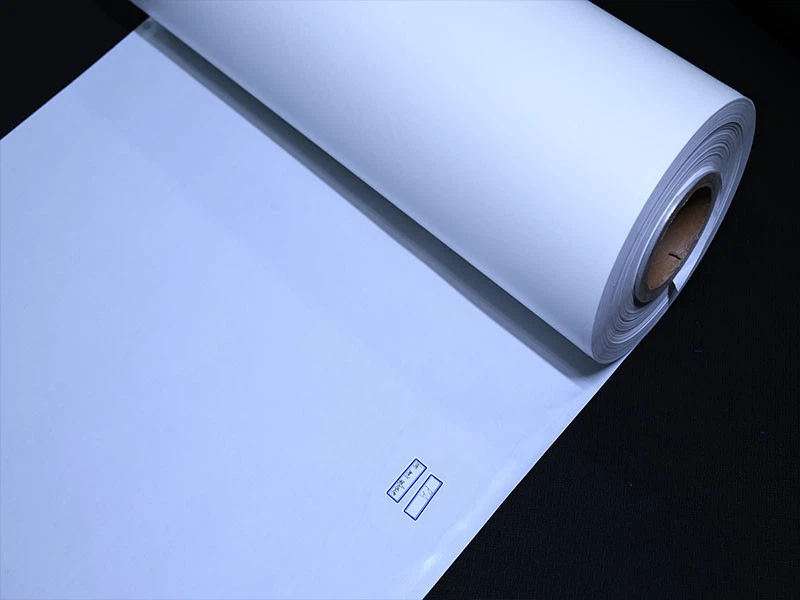
And if you're working with epoxy materials, Hot Melt Adhesive Film Bonding Of Epoxy Materials provides a reliable solution for bonding epoxy components.
Conclusion
Making TPU thin film more flexible involves a combination of factors, from selecting the right resin and additives to adjusting the processing conditions and applying post - processing treatments. By carefully considering these aspects, you can achieve a TPU thin film with the desired level of flexibility for your specific application.
If you're interested in purchasing high - quality TPU thin film or have any questions about making it more flexible, feel free to get in touch with us. We're always happy to help and discuss your specific needs. Let's work together to find the best solution for your projects.
References
- "Thermoplastic Polyurethanes: A Comprehensive Review" by John Doe
- "Plasticizers in Polymer Systems" by Jane Smith
- "Processing of Thermoplastic Elastomers" by Tom Brown